
Materials and InventionsA waterproof jacket can keep rain out while letting some perspiration escape, but it cannot make moisture disappear. Here is how membranes, coatings and outer fabrics work together, why jackets sometimes feel damp inside, and what helps them perform as intended.
Read article · 4 min↗

Materials and Inventions“Biodegradable” and “compostable” sound similar, but they do not promise the same outcome. Learn what conditions these materials may need, why disposal instructions matter, and how to read the labels without mistaking them for a littering permit.
Read article · 3 min↗
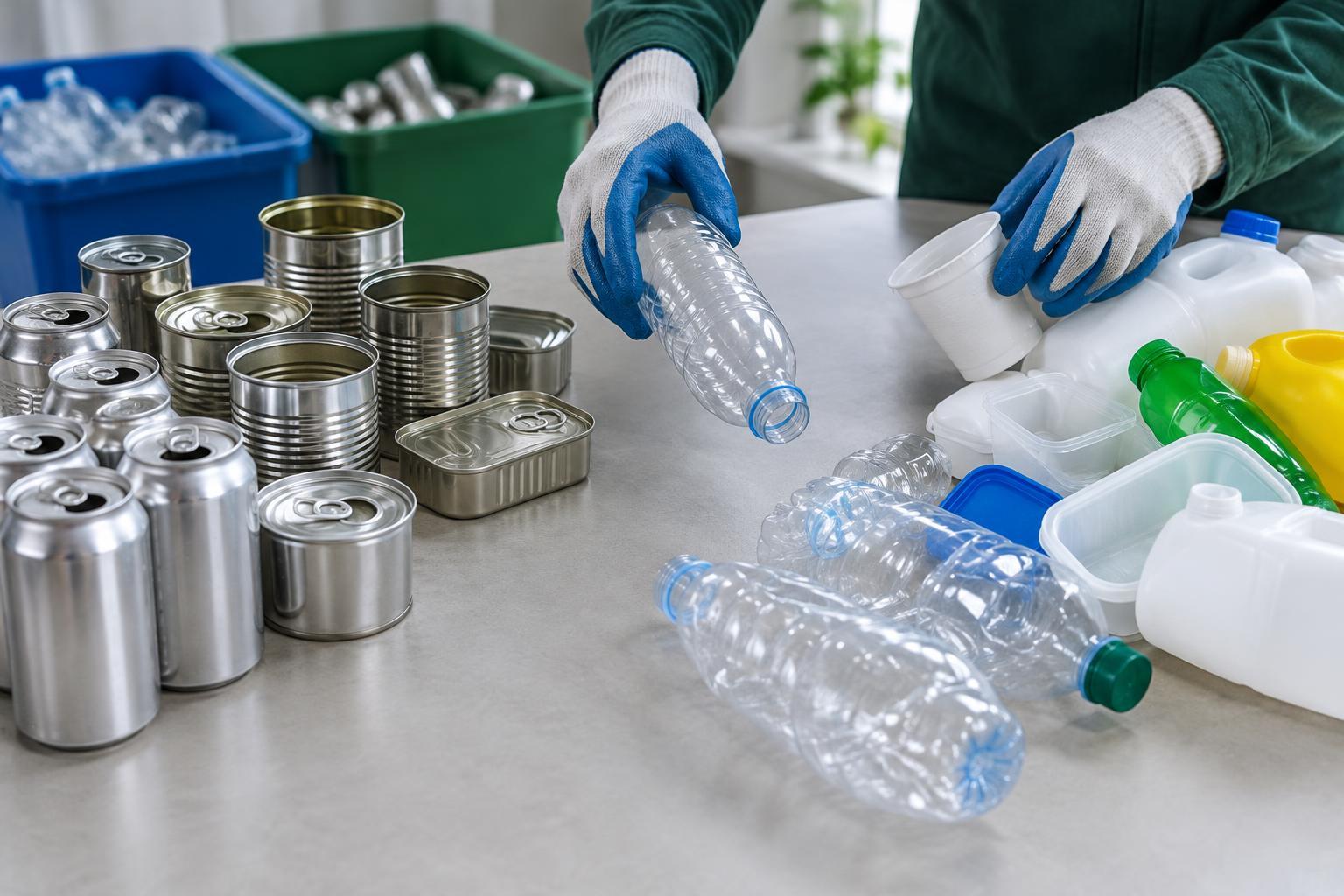
Materials and InventionsA recycling bin is only the beginning. Metals and plastics must be separated into useful streams before they can become new products. Here is how their properties shape that process—and why a few sorting habits make a difference.
Read article · 4 min↗
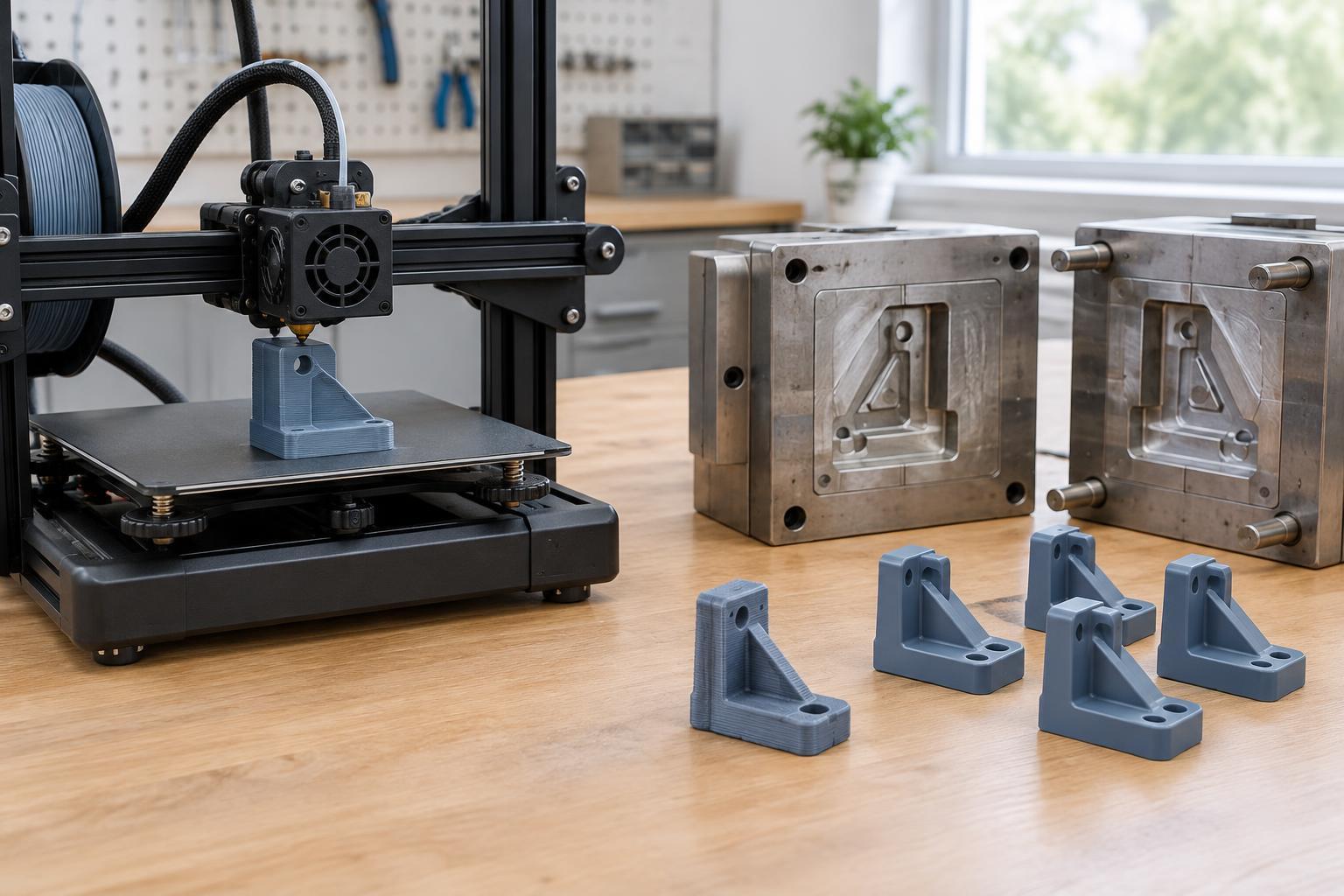
Materials and InventionsBoth methods can turn a design into a plastic part, but they solve different production problems. Learn how quantity, shape, material, strength and design changes affect the choice between 3D printing and injection molding.
Read article · 4 min↗
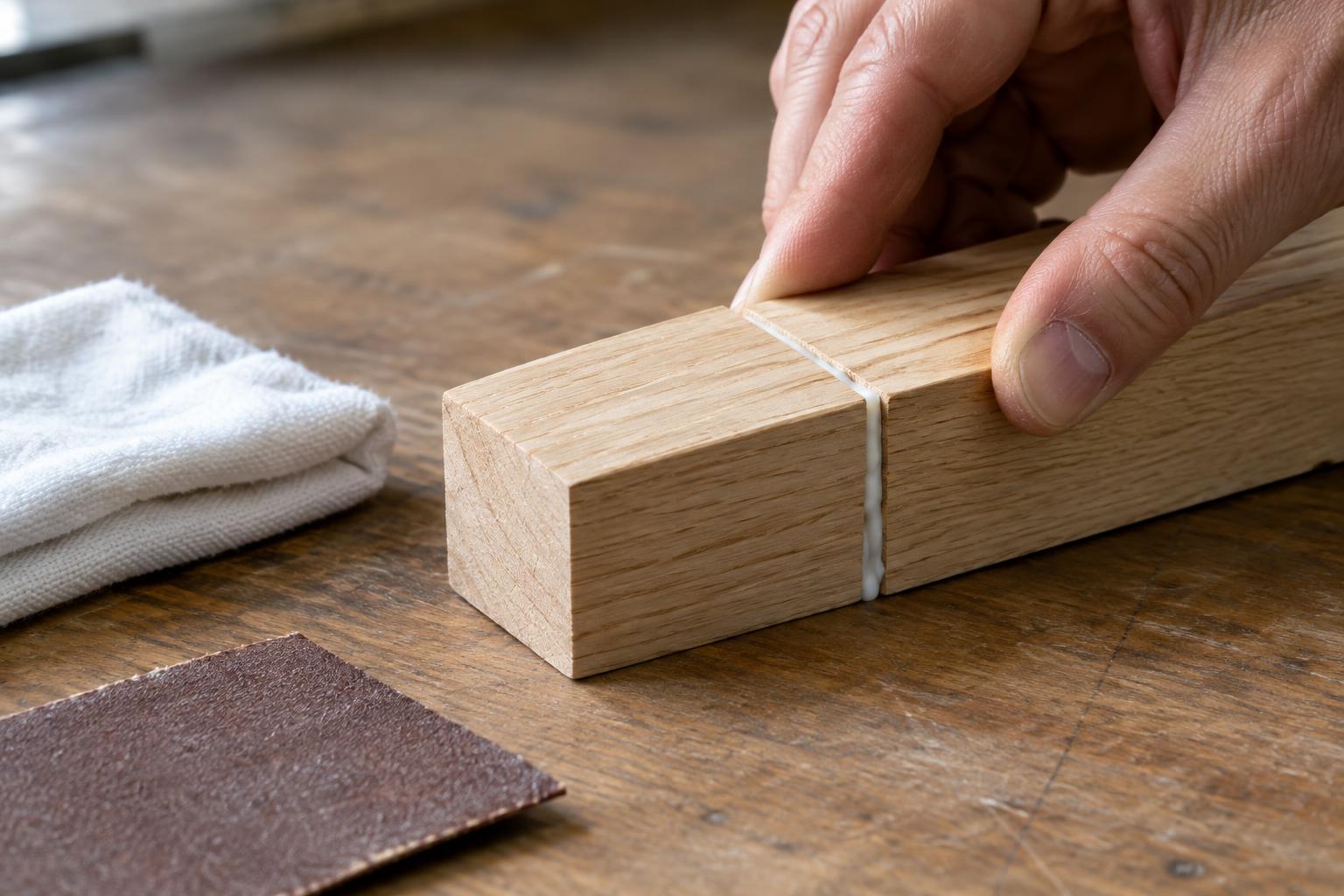
Materials and InventionsA strong glue joint depends on more than the glue itself. Learn how adhesives make contact, develop strength and respond to stress—and why cleaning, drying and preparing a surface can make the difference between a lasting bond and one that peels away.
Read article · 4 min↗

Materials and InventionsA lithium-ion battery does not hold electricity like water in a tank. It stores energy in the chemical arrangement of its materials, then releases that energy as lithium ions and electrons travel along different paths. Here is how the process works, why batteries wear out, and what helps keep them safe.
Read article · 3 min↗

Materials and InventionsA wool sweater, a wall cavity and a vacuum flask use different materials, but each slows the movement of heat. Understanding conduction, convection and radiation explains why trapped air helps, why gaps matter and why insulation does not make heat on its own.
Read article · 4 min↗
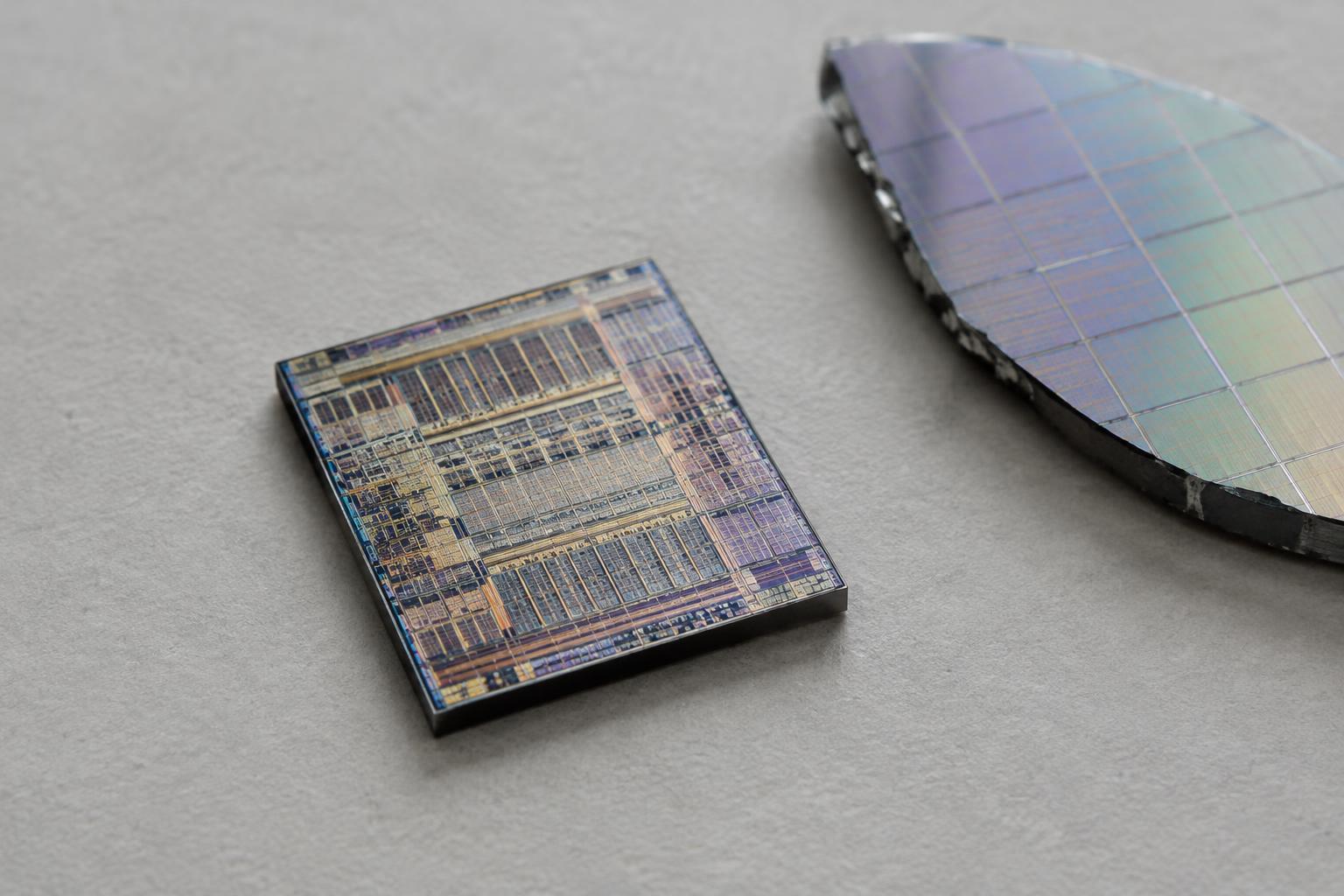
Materials and InventionsA transistor can act as a tiny electrical switch because a semiconductor conducts under some conditions and resists current under others. Silicon’s atomic structure, carefully added impurities and an insulated gate make that control possible.
Read article · 4 min↗
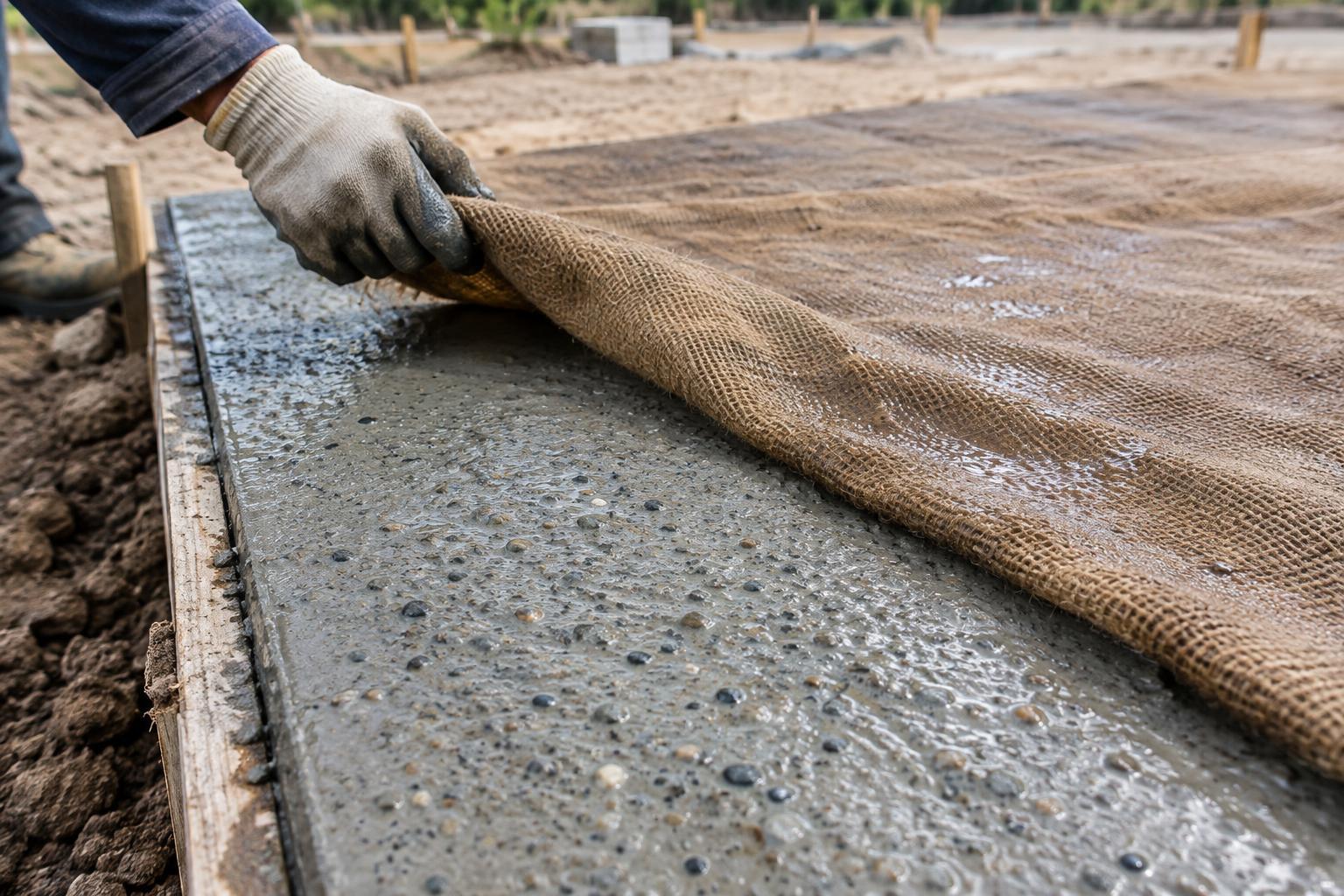
Materials and InventionsConcrete does not become strong simply by drying out. Water helps cement form the bonds that hold sand and stone together, and the conditions after pouring affect how well those bonds develop. Here is what curing does and why it matters.
Read article · 3 min↗
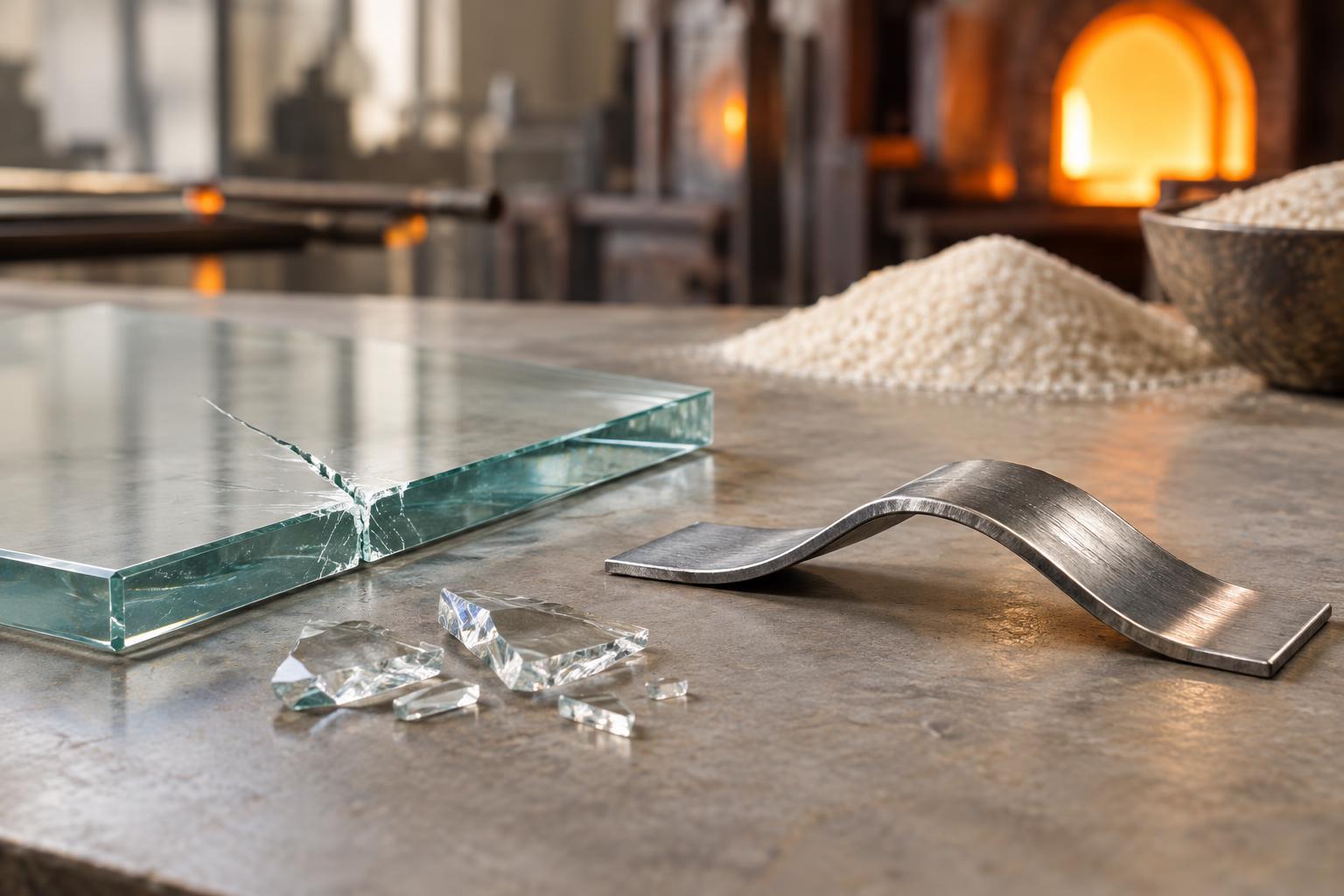
Materials and InventionsGlass and metal can both be strong, but they respond differently when a force is applied. Explore how everyday glass is made, why small flaws matter, and how heat treatments can change the way a pane breaks.
Read article · 4 min↗
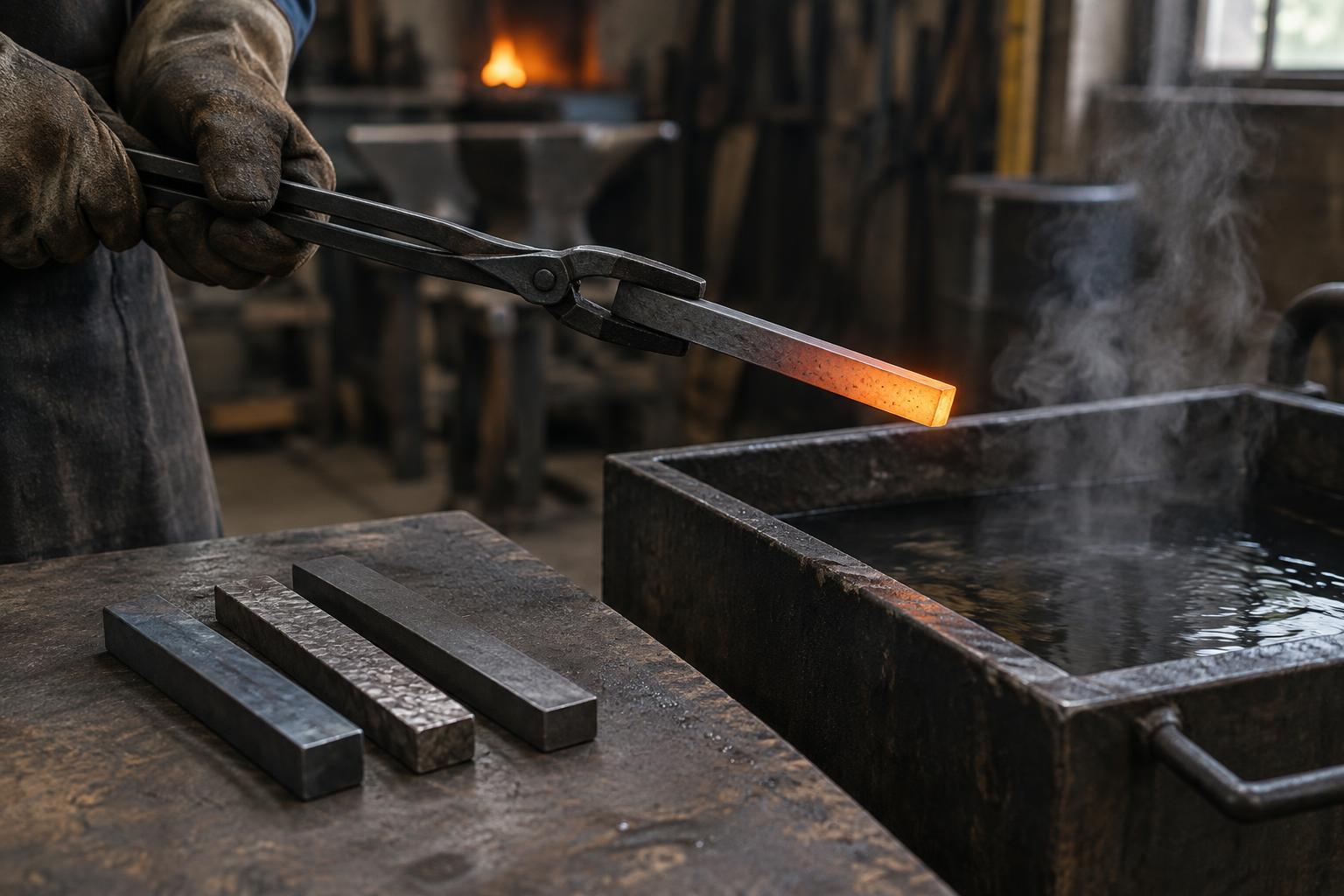
Materials and InventionsHeating and cooling steel in a controlled way can make it harder, tougher, easier to shape or less prone to distortion. The key is not simply how hot the steel gets, but what happens to its internal structure as it cools.
Read article · 4 min↗
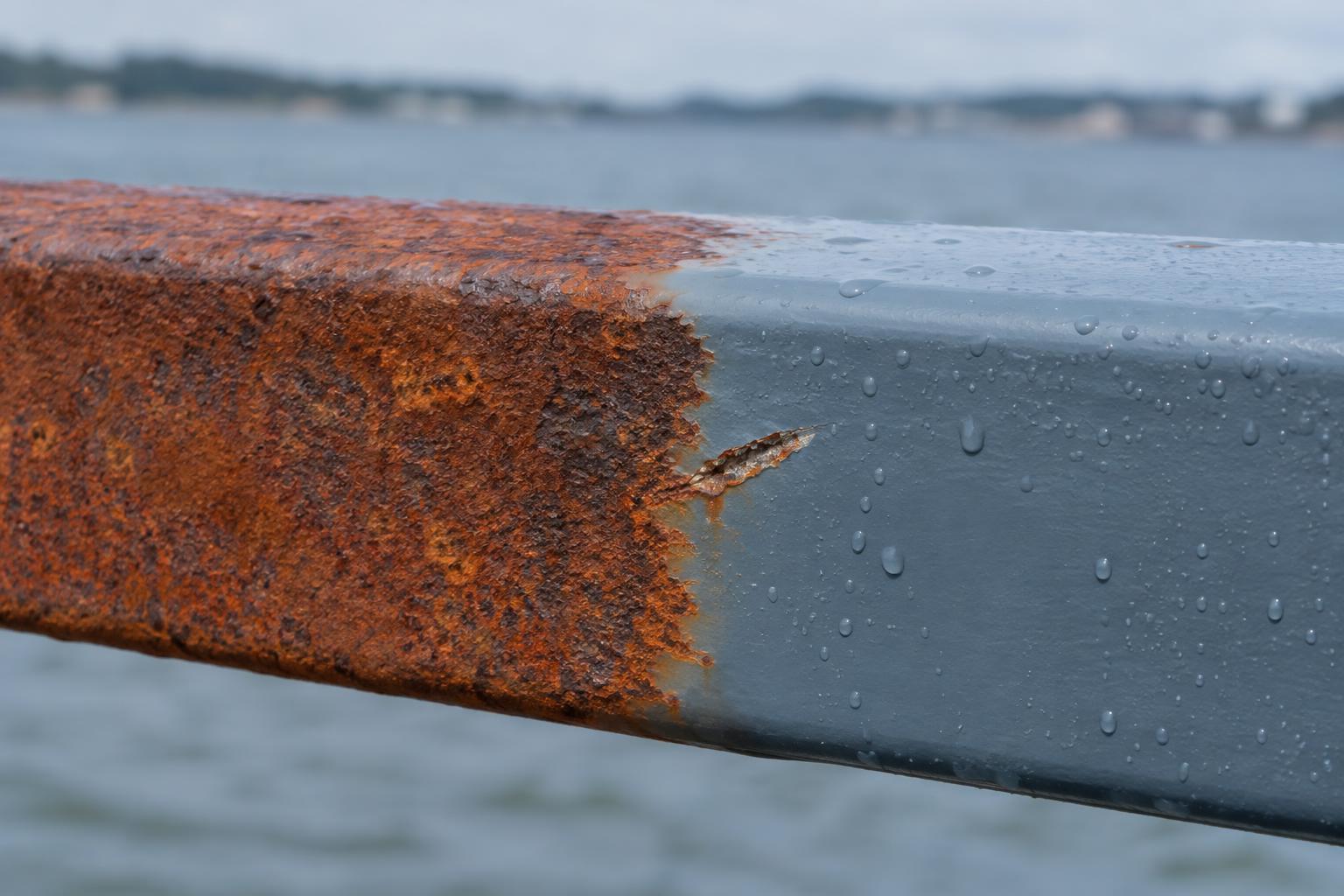
Materials and InventionsRust is more than a change in color: it is the visible result of reactions between iron, water and oxygen. Learn why some environments speed it up, how coatings interrupt the process and why surface preparation matters as much as the coating itself.
Read article · 3 min↗
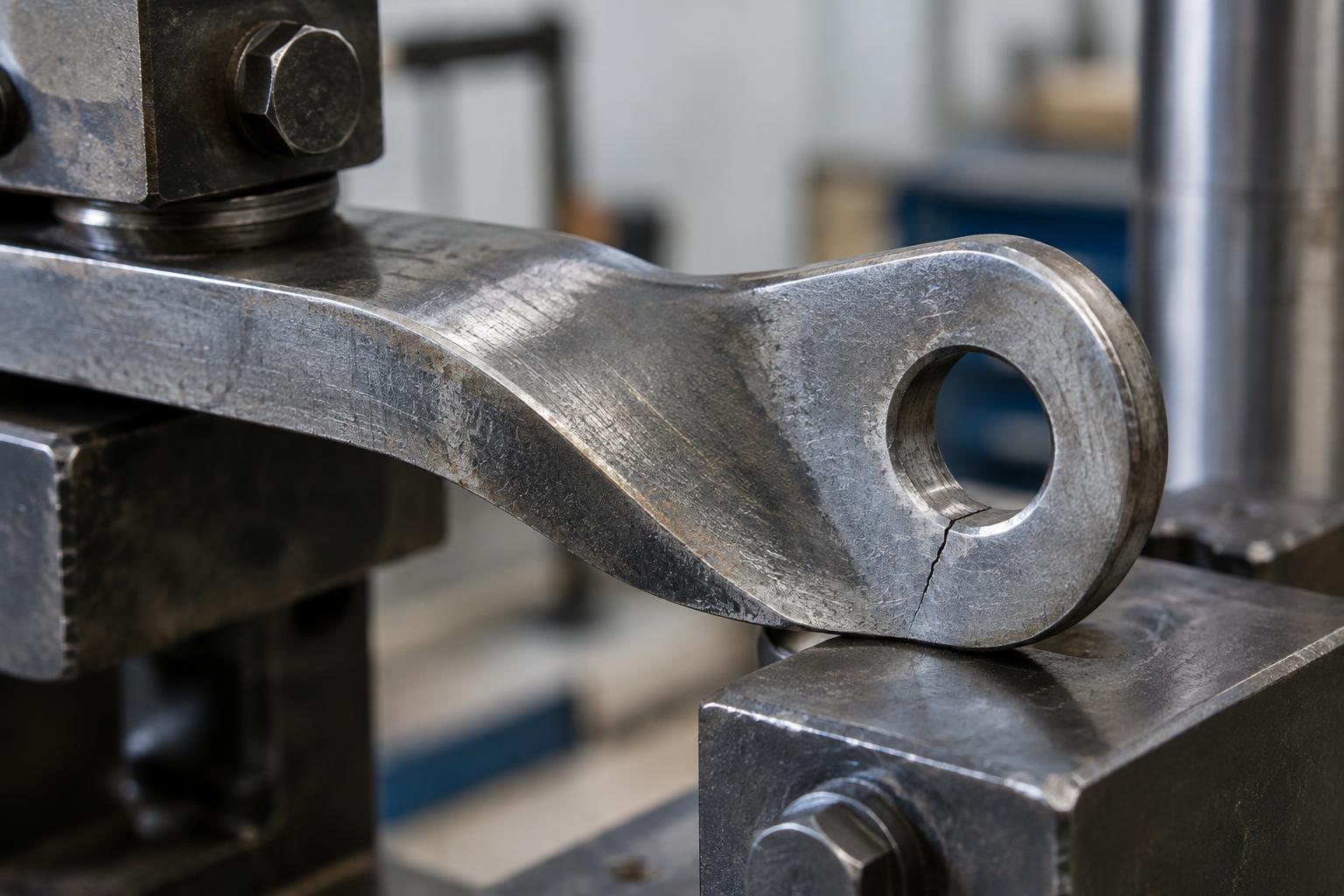
Materials and InventionsA metal part can fail after many small loads, even if no single load is strong enough to break it. Learn how fatigue cracks begin, why they grow, and how engineers reduce the risk.
Read article · 4 min↗

Materials and InventionsA material can resist bending, carry a heavy load or survive a blow—but these are different abilities. Learn how strength, stiffness and toughness describe distinct responses to force, and why choosing a material often means balancing all three.
Read article · 4 min↗
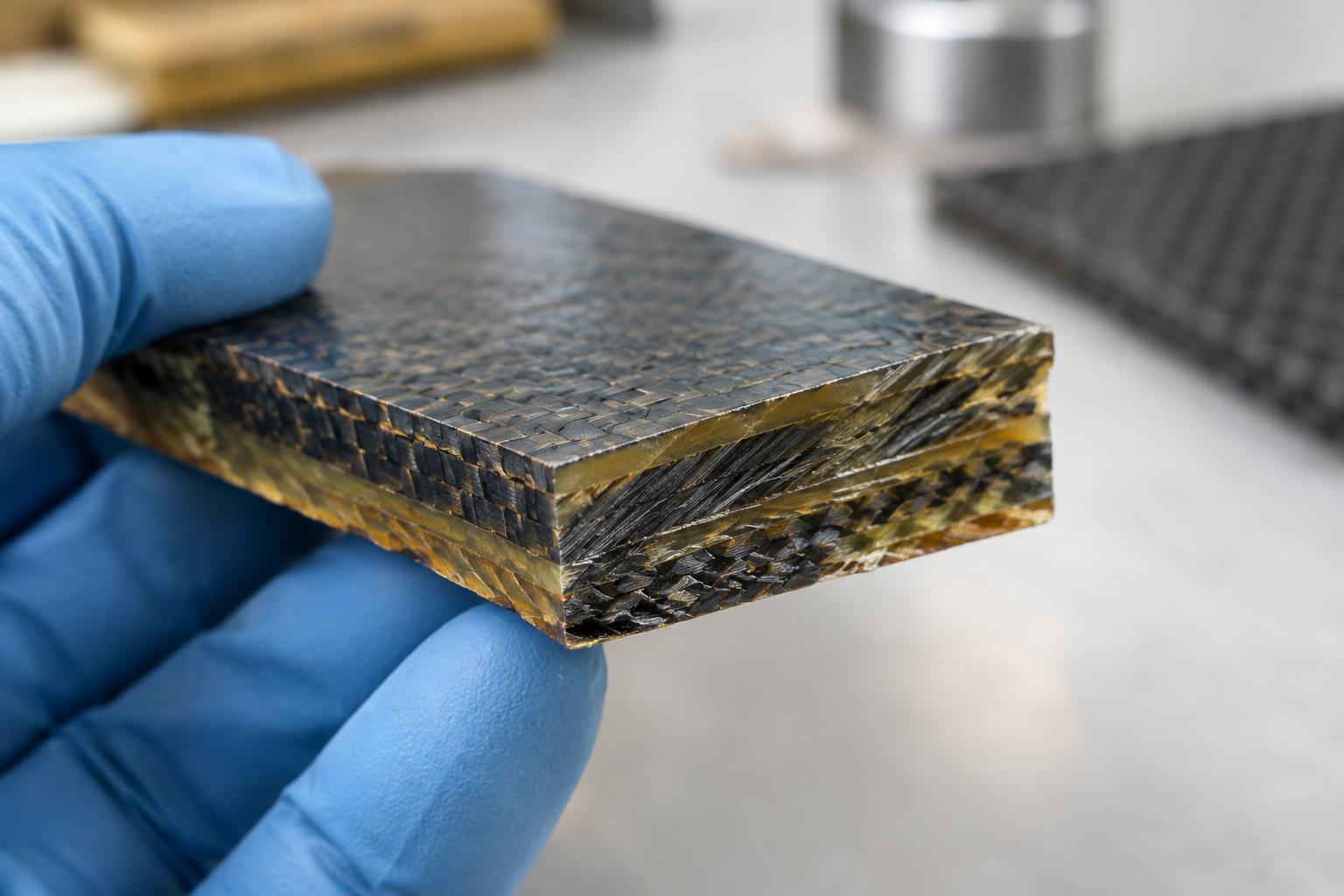
Materials and InventionsA fiber-reinforced composite gets its useful properties from two partners: strong fibers and a surrounding matrix. Here is how they share loads, why fiber direction matters, and what can cause a composite part to fail.
Read article · 4 min↗

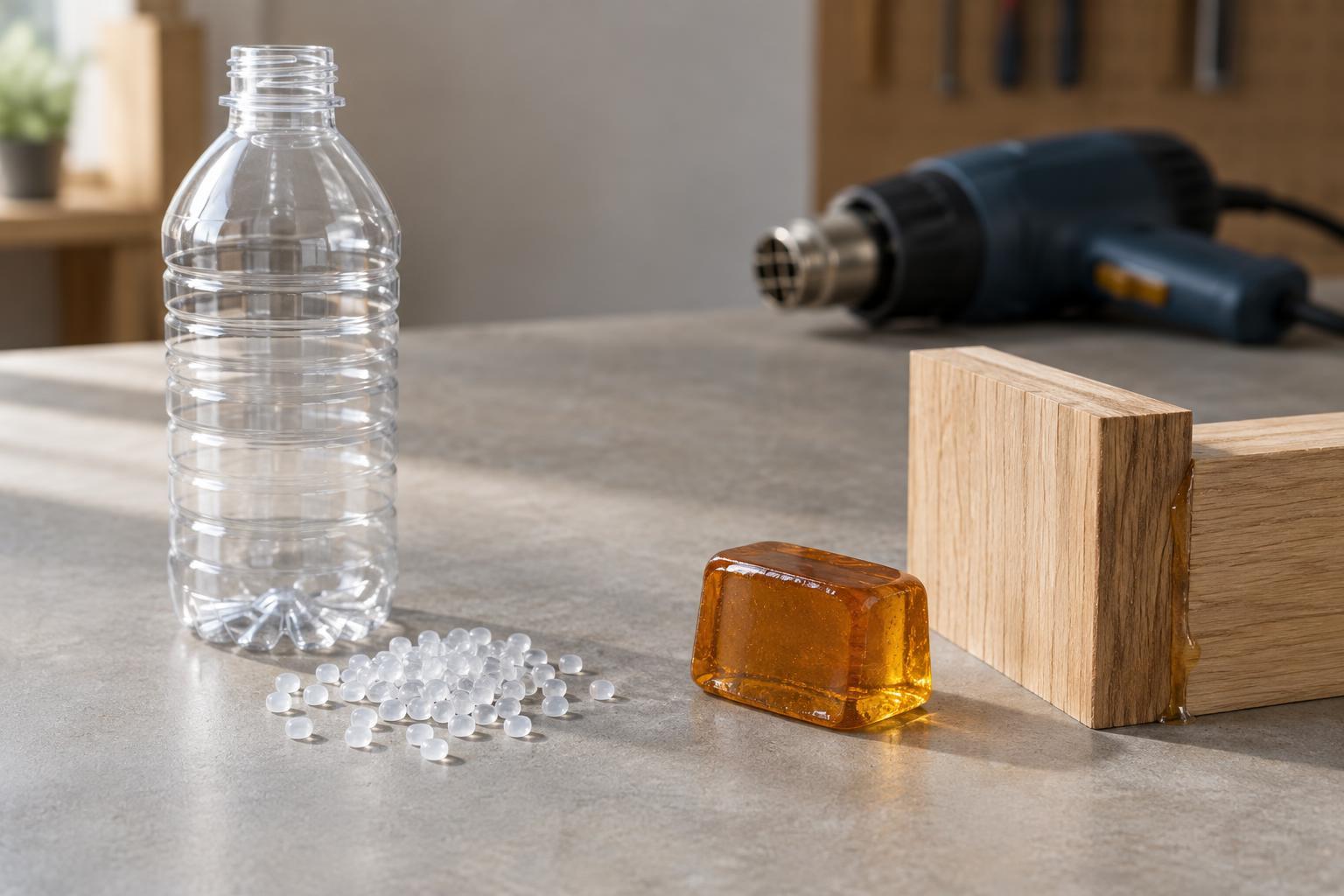
Materials and InventionsA plastic bottle and an epoxy adhesive may both be made from polymers, but they respond very differently to heat. The difference lies in how their molecular chains are connected—and it shapes how each material is made, used and recycled.
Read article · 4 min↗
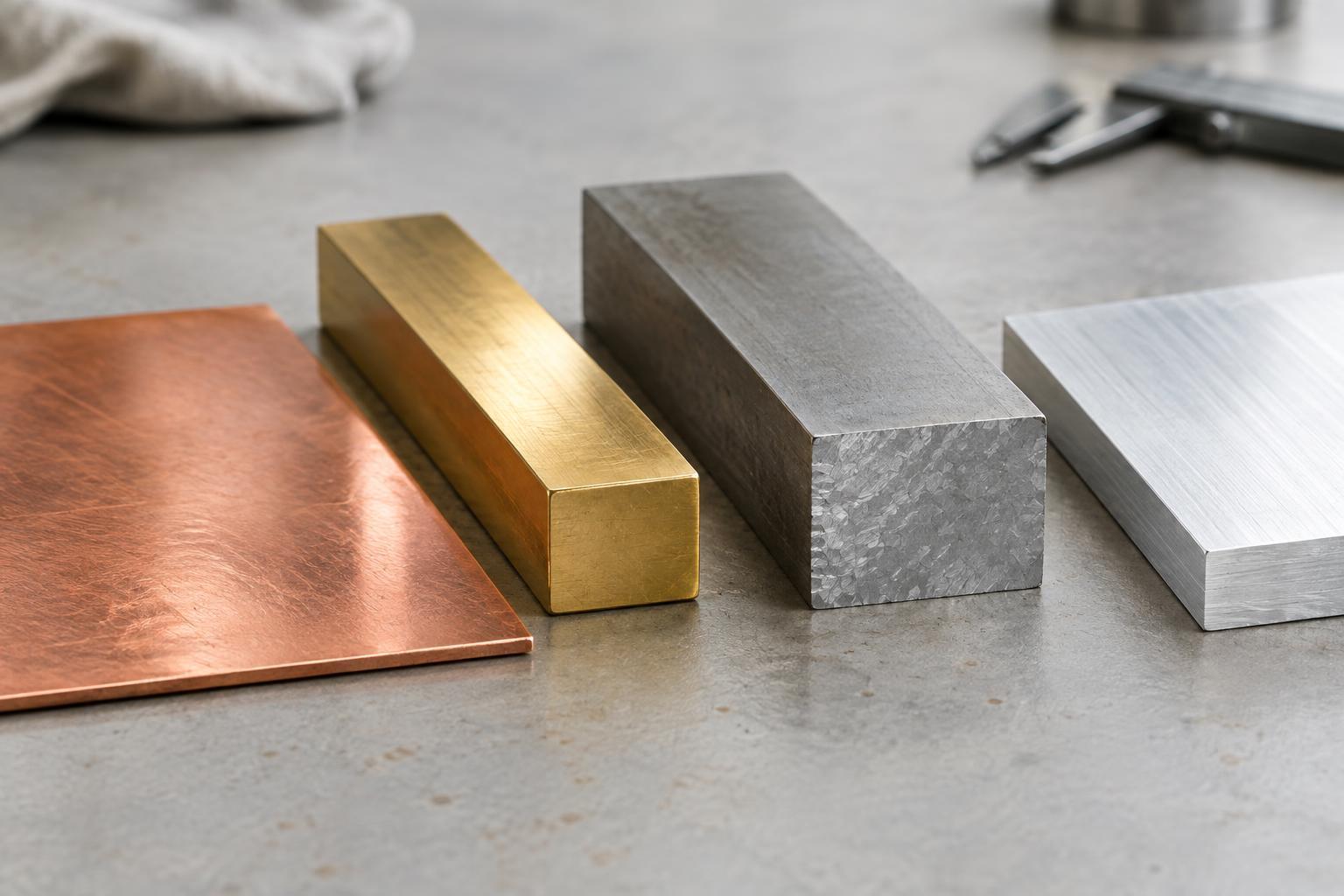
Materials and InventionsA metal’s useful properties depend on more than which element it contains. See how adding other elements changes the movement of atoms, the structure of grains, and the way a material handles wear, heat, and corrosion.
Read article · 4 min↗
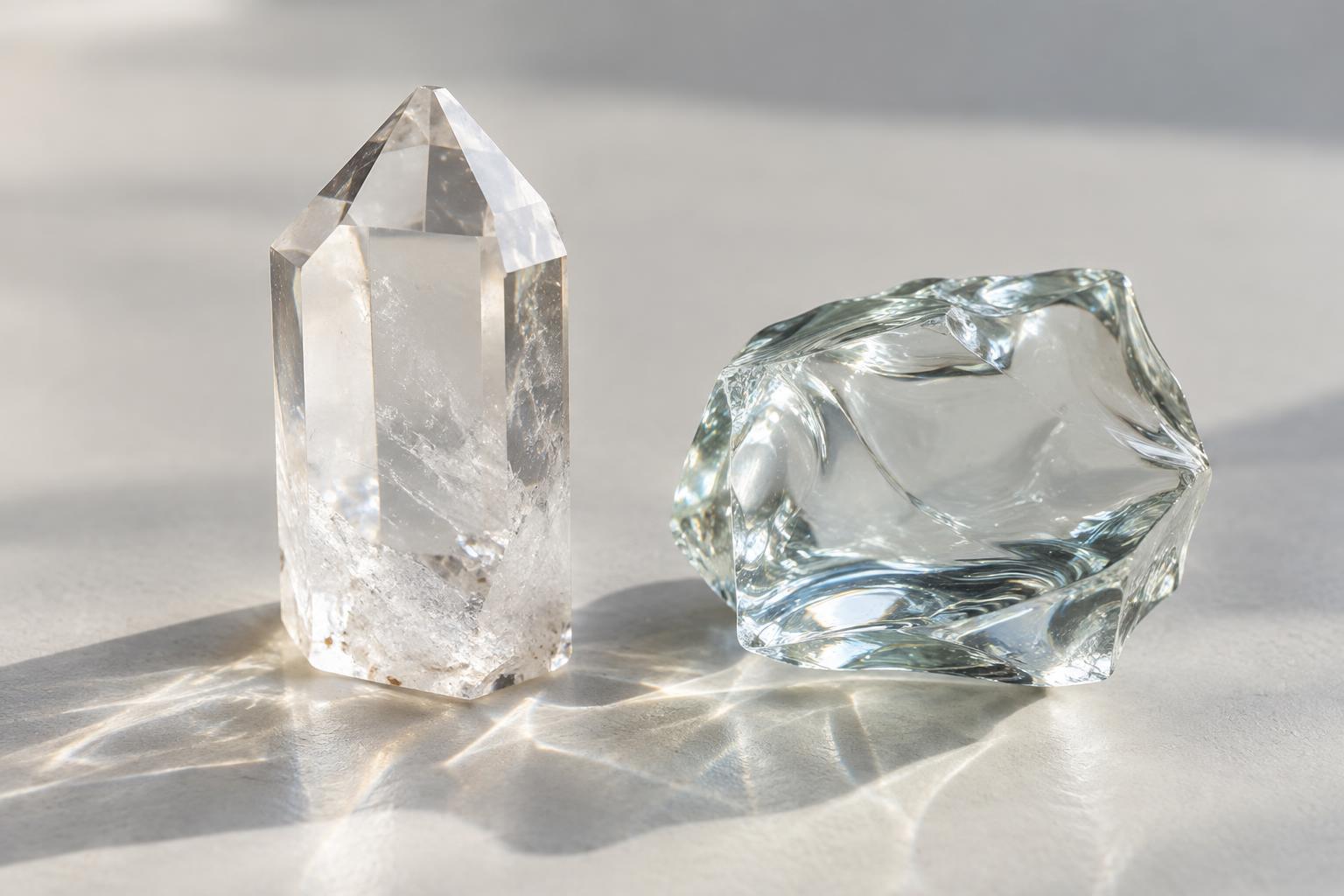
Materials and InventionsA crystal and a piece of glass can both feel rigid, yet their atoms are organized differently. Learn how that difference affects melting, light, strength and the materials used in everyday objects.
Read article · 4 min↗
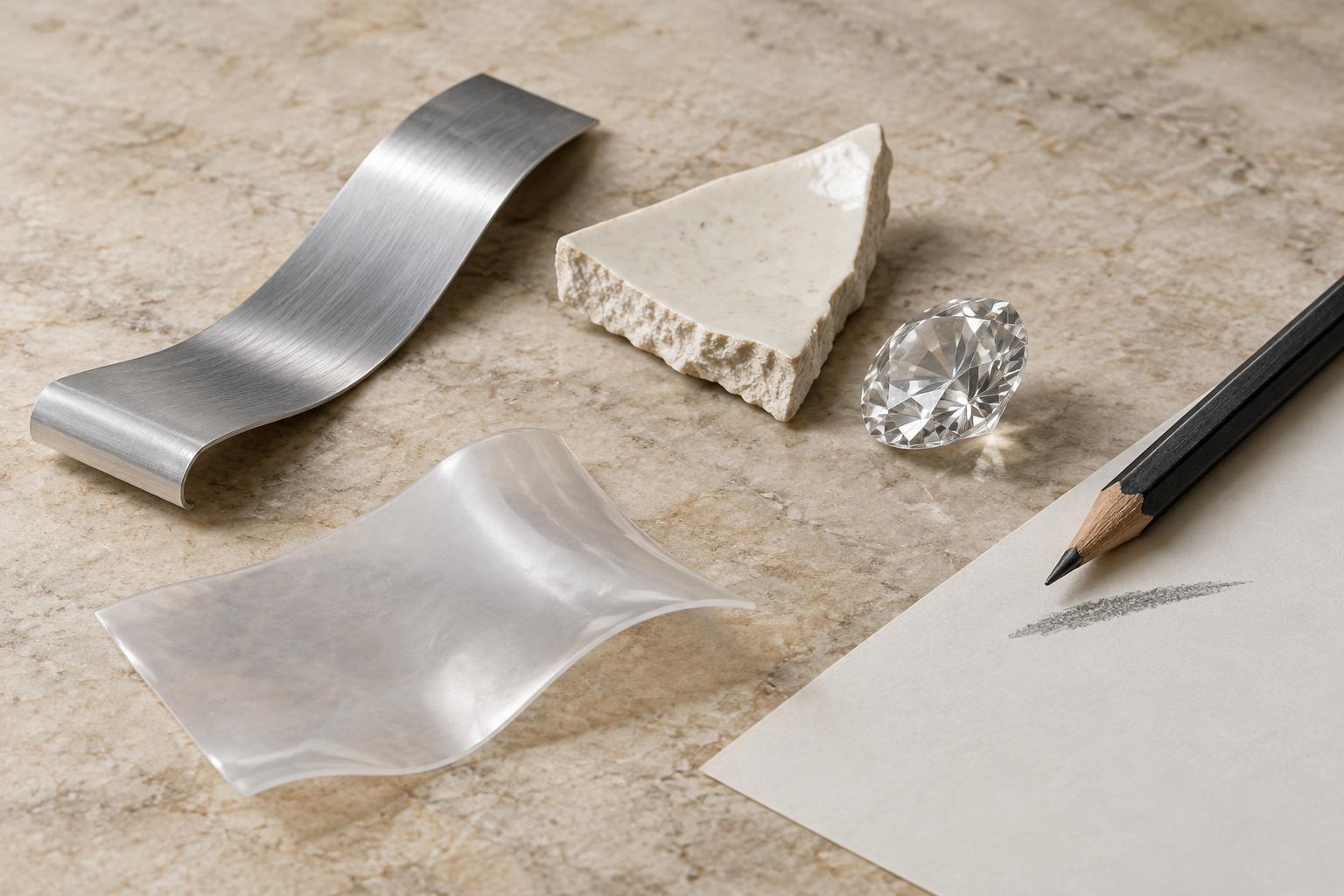
Materials and InventionsWhy can a metal bend while a ceramic cracks, or a diamond scratch glass while graphite leaves a mark on paper? The answer begins with how atoms bond, but it also depends on how those bonds are arranged throughout a material.
Read article · 4 min↗