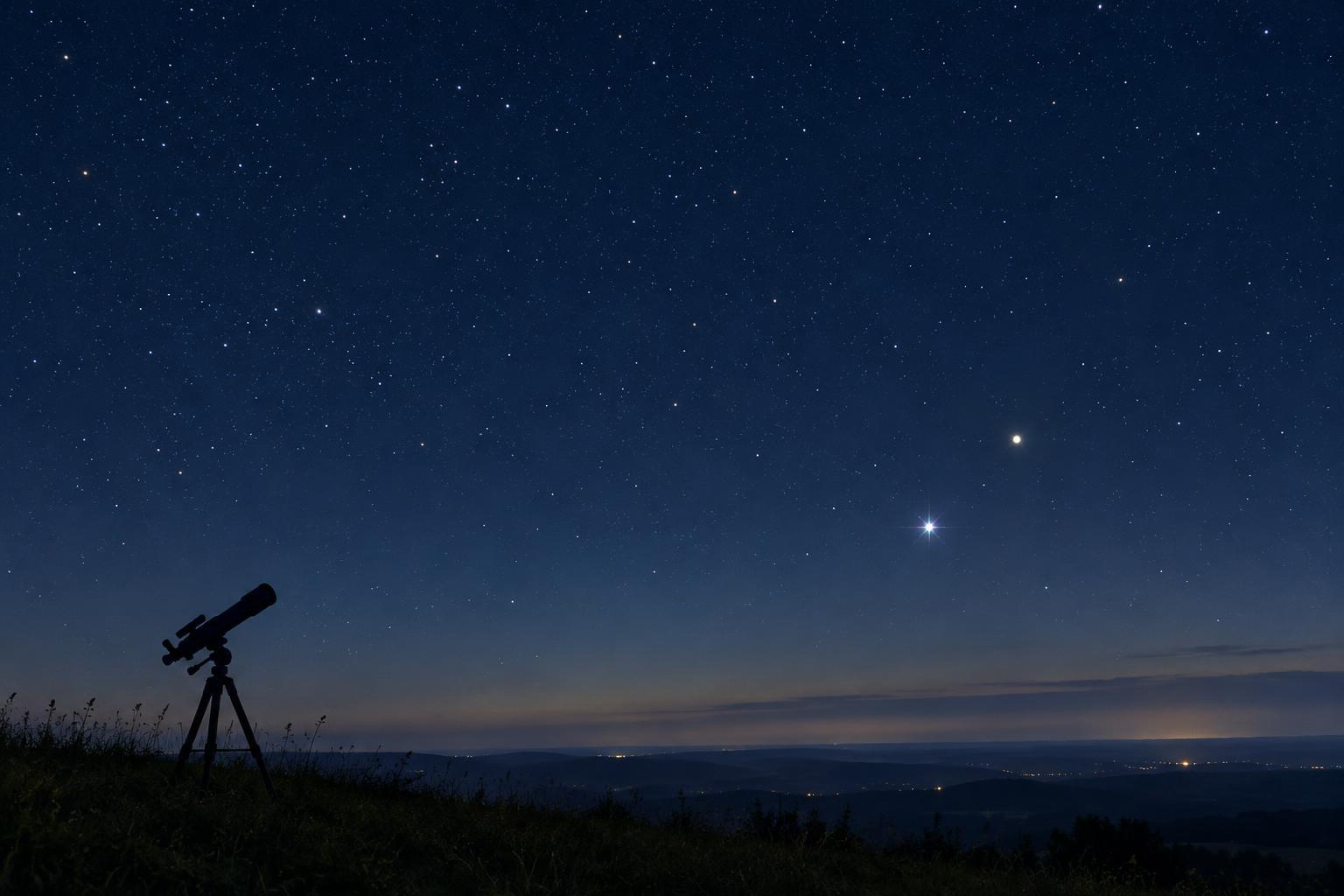
Space and AstronomyA star can seem to shimmer while a nearby planet looks calm. The difference comes from moving air above us and from the way each object appears in the sky. Learn why the effect changes through the night and what it can tell you about observing conditions.
Read article · 4 min↗
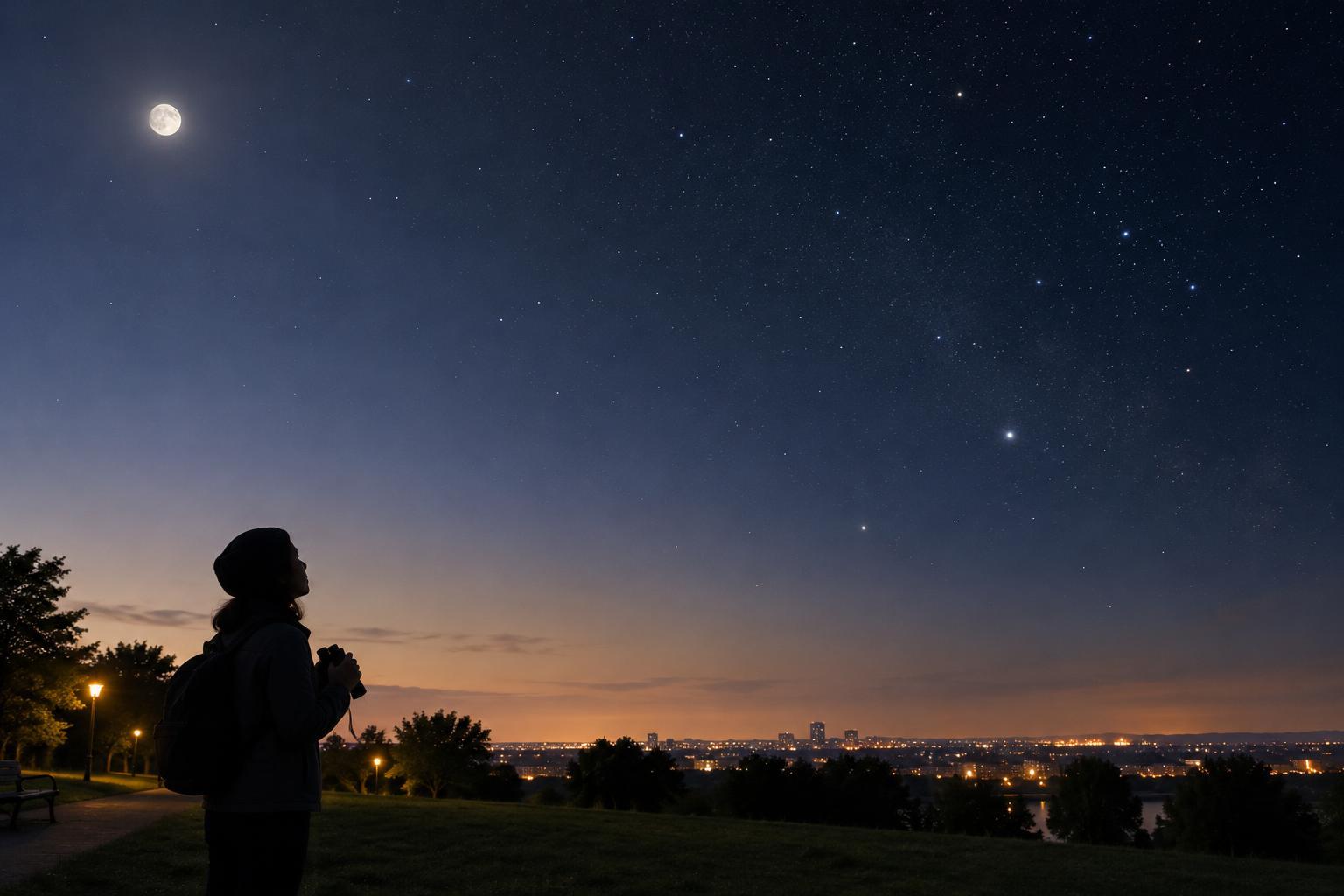
Space and AstronomyYou do not need a perfectly dark sky to begin exploring astronomy. Learn why outdoor lighting hides faint stars, how to make the most of a city sky, and what to look for when you can visit a darker place.
Read article · 4 min↗
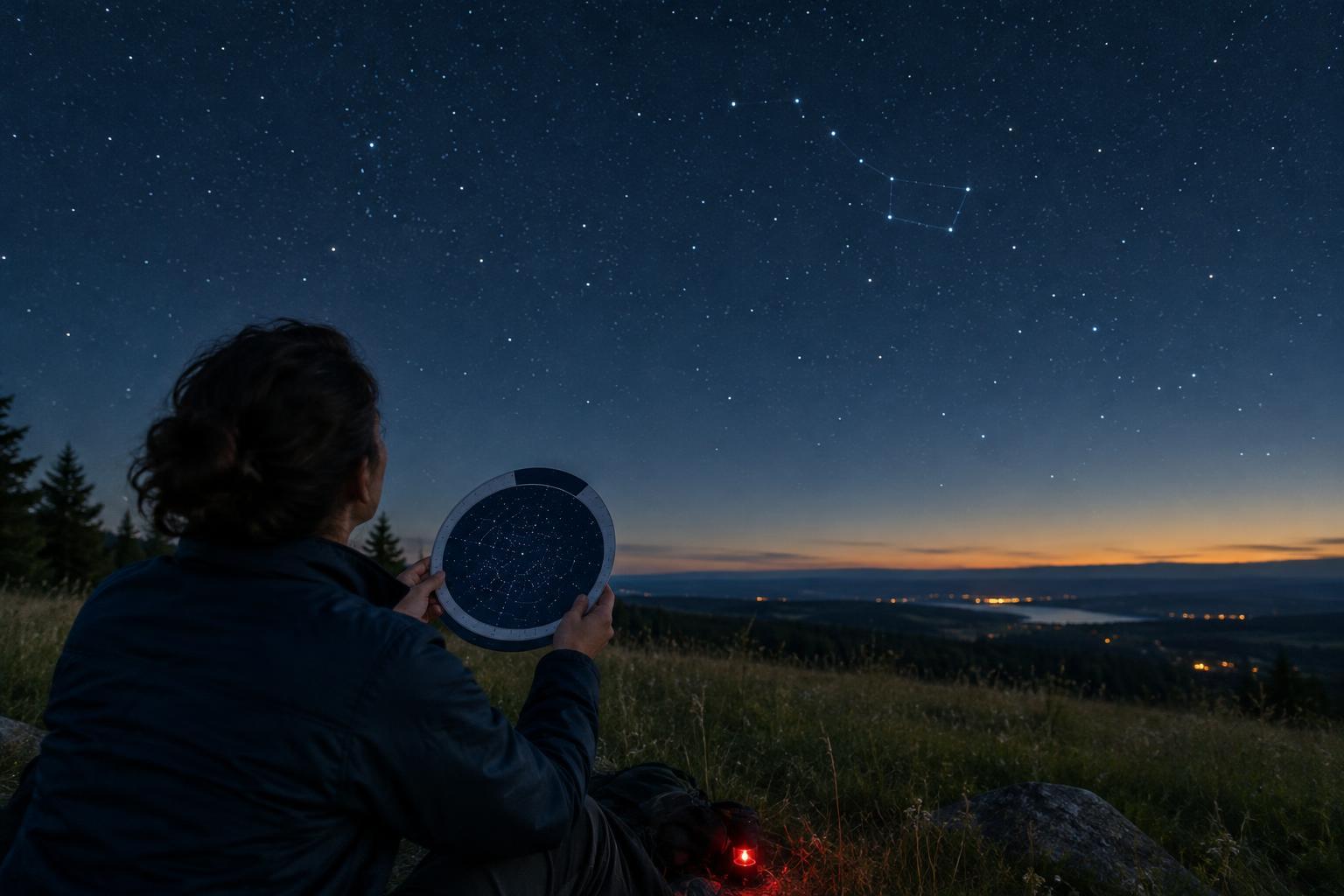
Space and AstronomyA star chart turns a sky full of unfamiliar points of light into a map you can use. Learn how to choose the right chart, align it with the horizon, and move from easy-to-spot patterns toward fainter sights.
Read article · 4 min↗
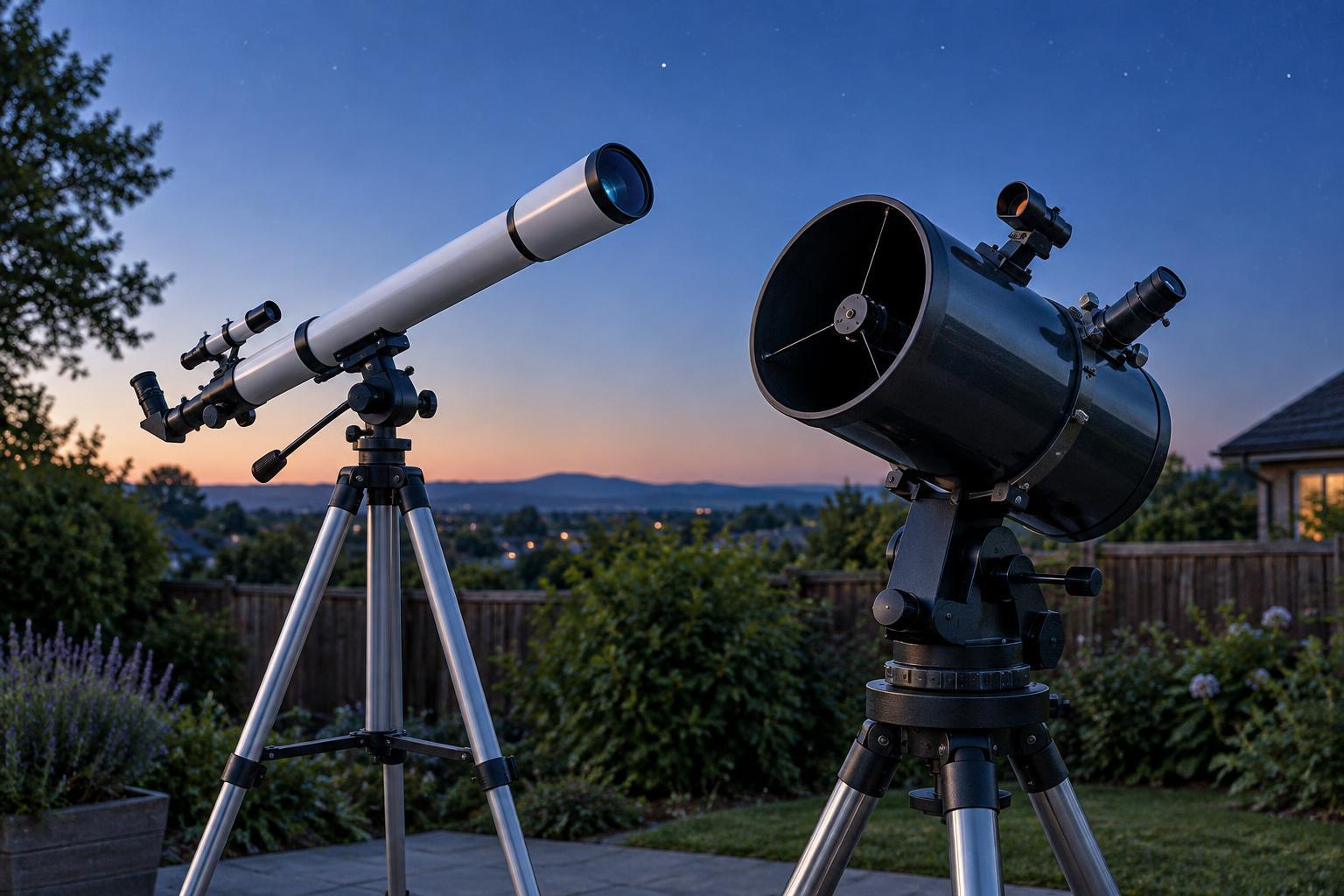
Space and AstronomyRefractors use lenses; reflectors use mirrors. Learn how each design forms an image, what trade-offs matter in everyday use, and how to choose a first telescope for the things you want to see.
Read article · 4 min↗
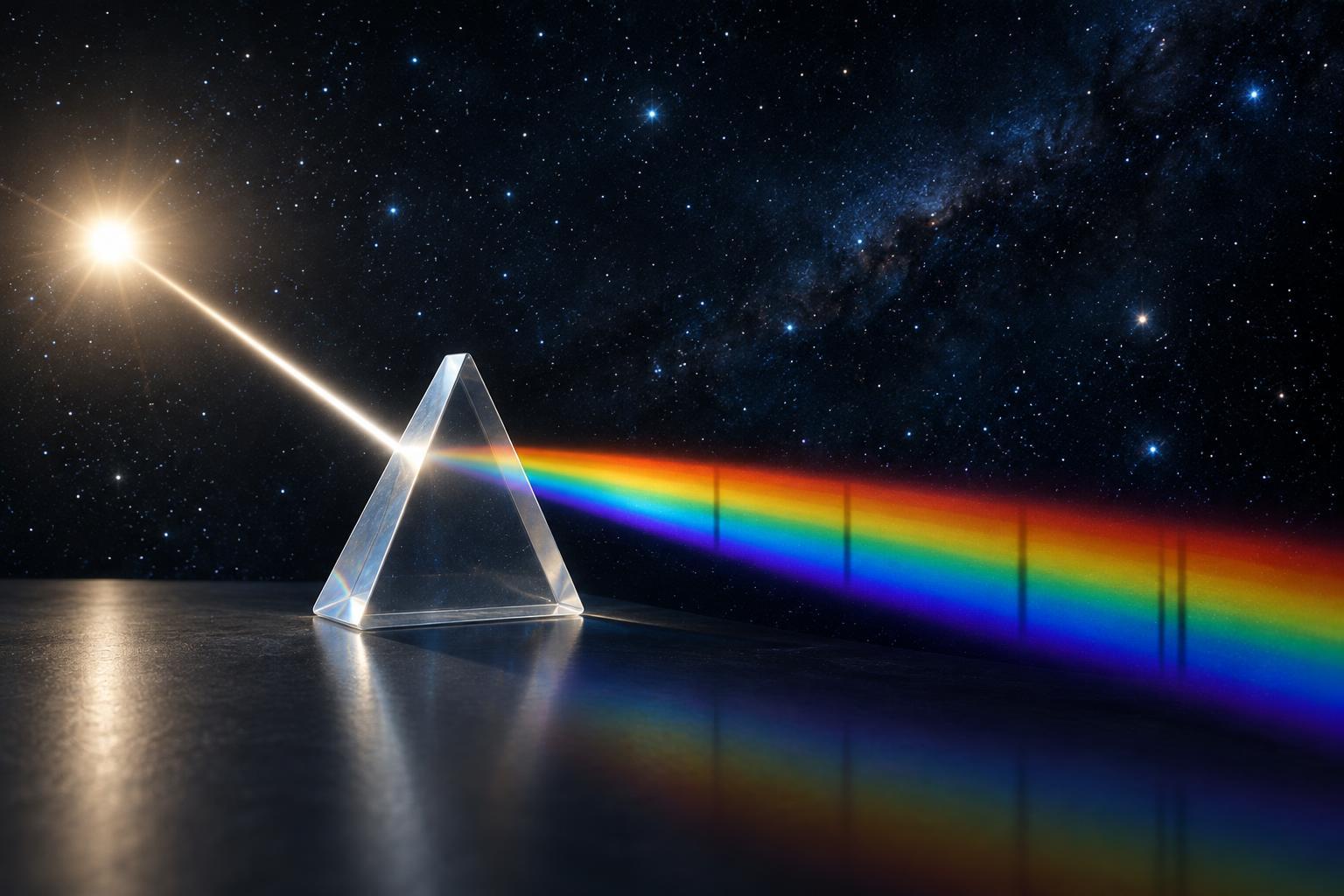
Space and AstronomyA star is too distant to sample directly, but its light carries clues about its ingredients. Learn how astronomers read spectral lines, why temperature matters, and what a stellar spectrum can—and cannot—tell us.
Read article · 4 min↗
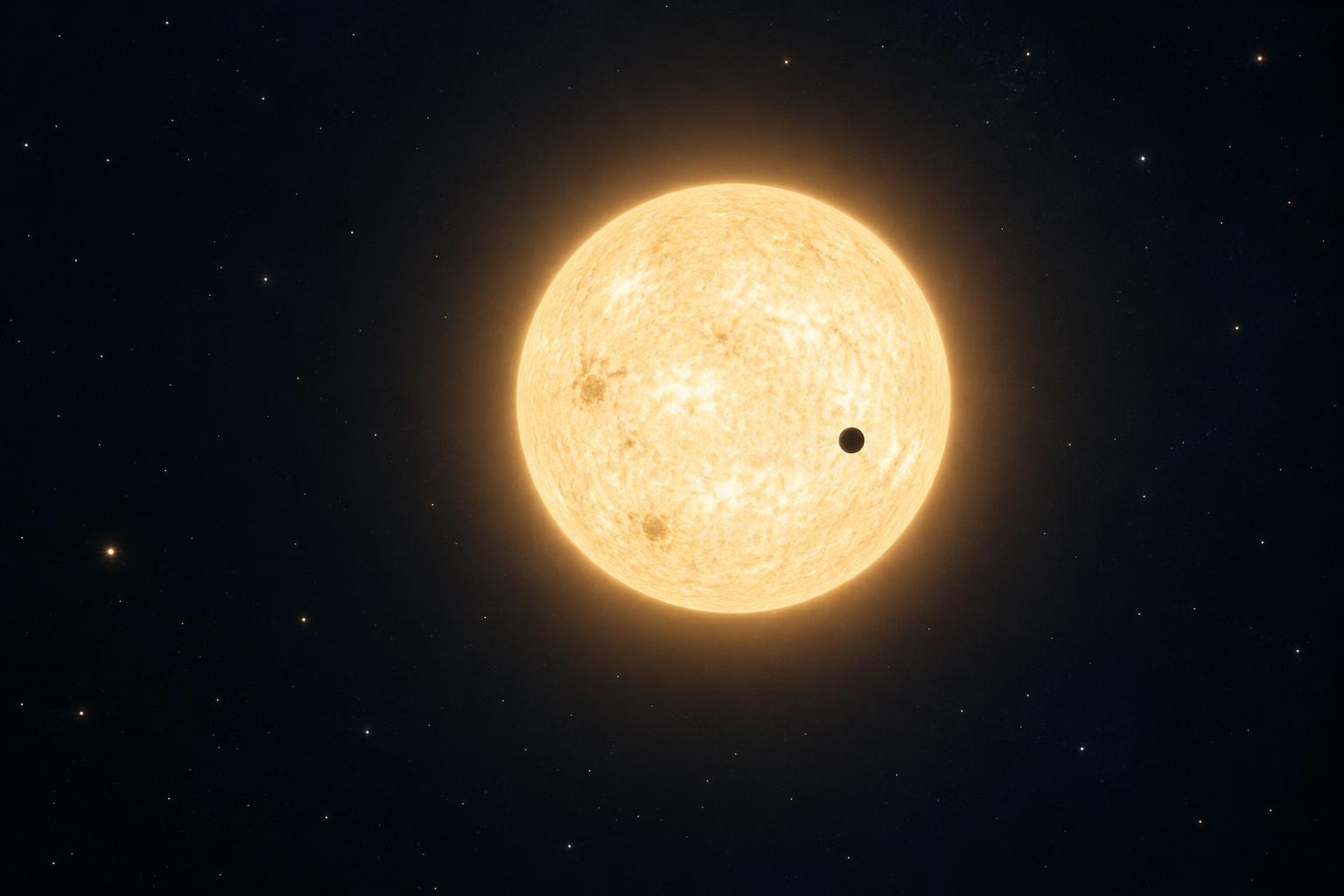
Space and AstronomyA planet crossing in front of its star can cause a tiny, repeating dip in brightness. Learn how astronomers recognize these transits, what they reveal about distant worlds, and why a dip alone is not proof of a planet.
Read article · 4 min↗
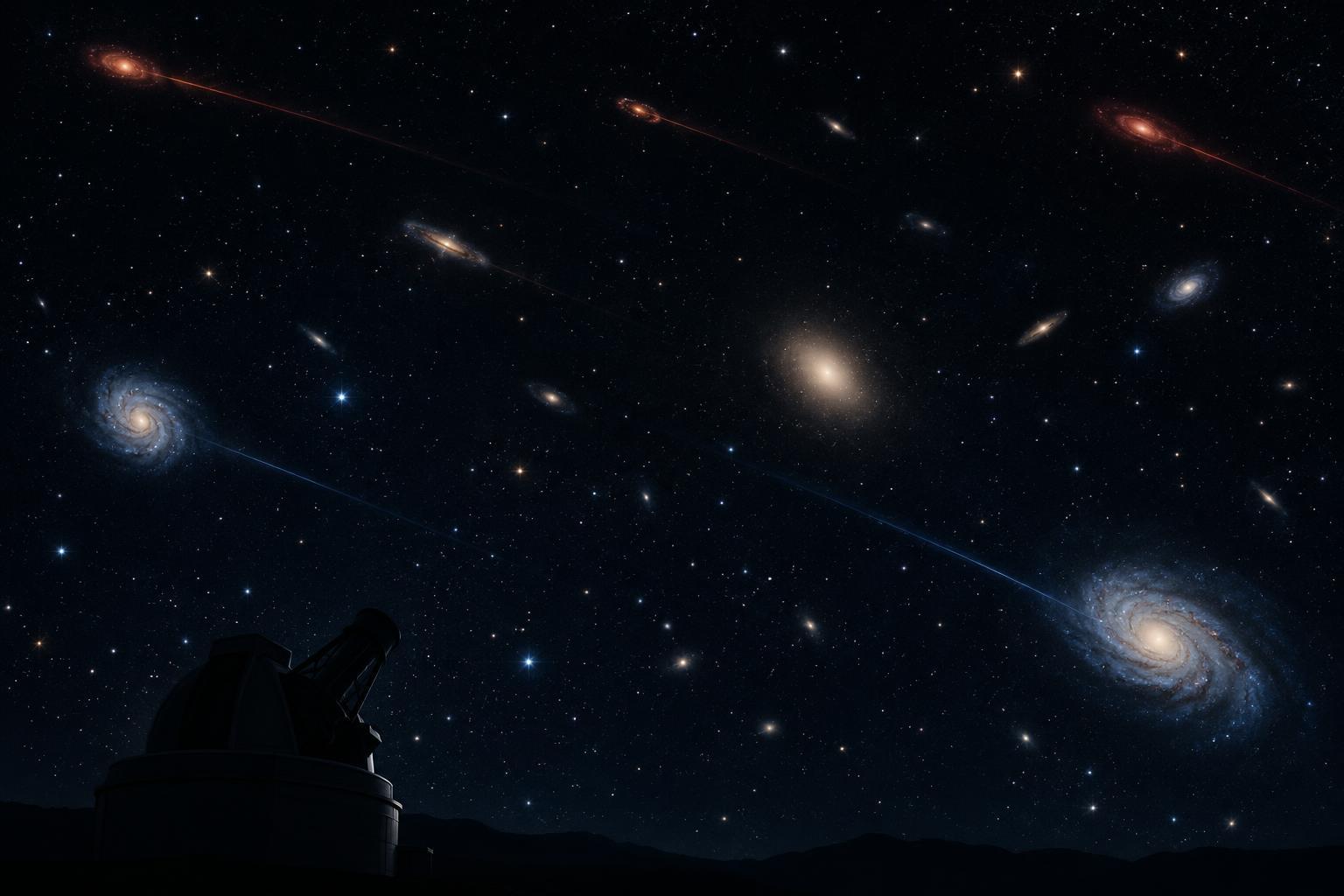
Space and AstronomyLight from distant galaxies often arrives with its familiar spectral patterns shifted toward longer wavelengths. Here is how astronomers measure that shift, why it points to an expanding universe, and what redshift cannot tell us on its own.
Read article · 4 min↗
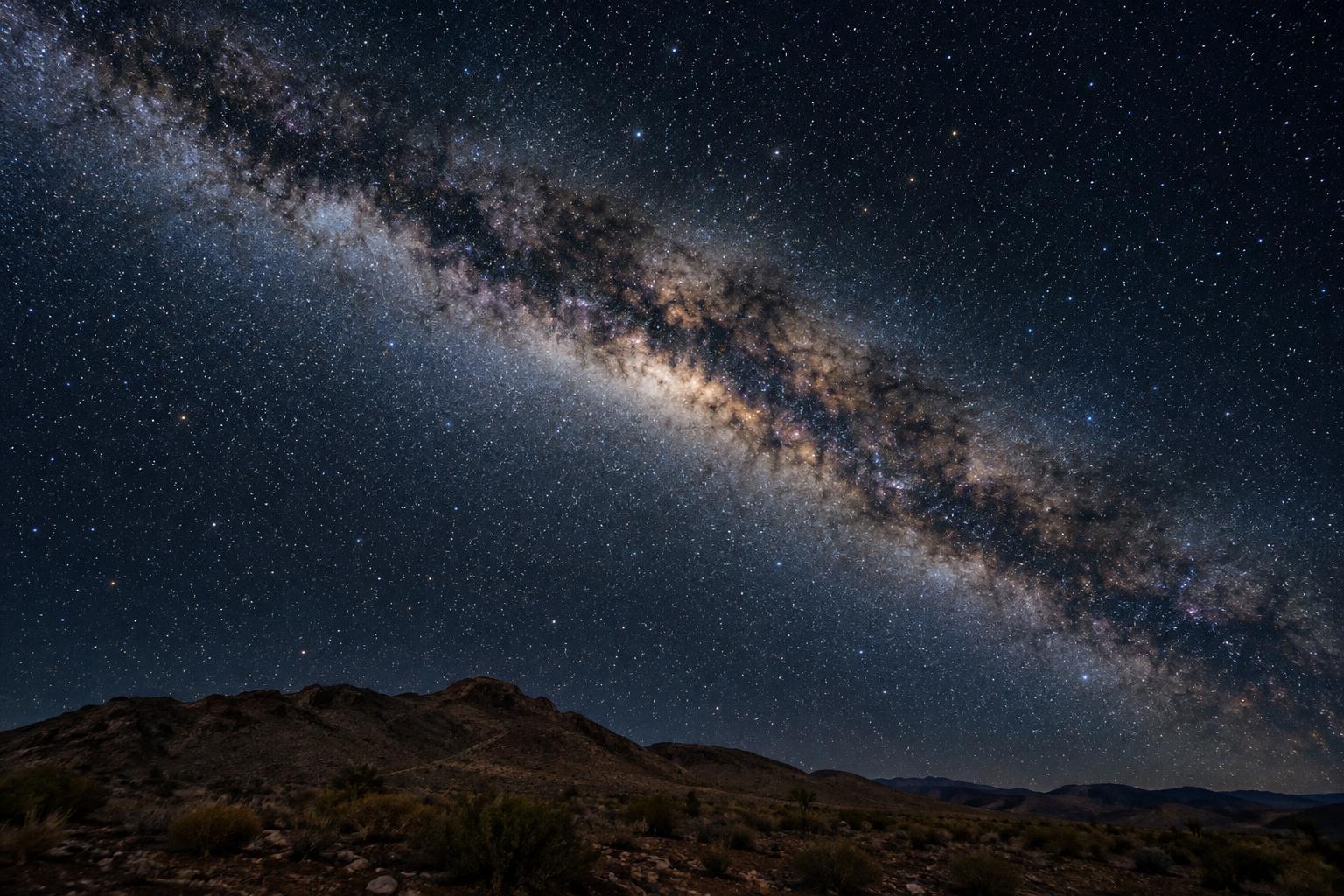
Space and AstronomyThe Milky Way is our home galaxy, but the Solar System occupies only a tiny part of it. Learn what gives the galaxy its shape, why it appears as a band in the night sky, and where the Sun sits within its vast disk.
Read article · 4 min↗
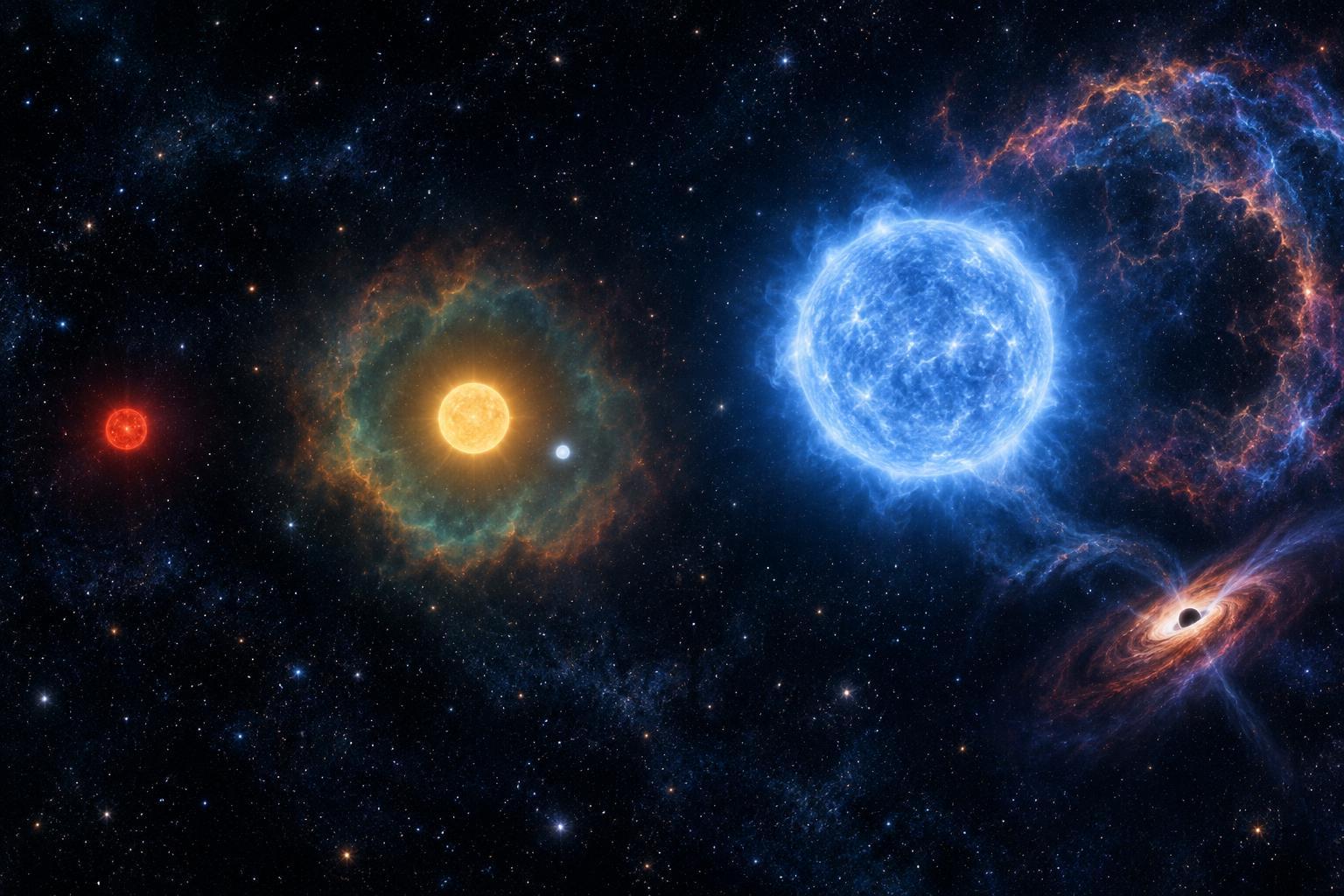
Space and AstronomyA star’s birth mass helps determine how brightly it shines, how long it lasts, and what it leaves behind. Follow the path from hydrogen fusion to white dwarfs, neutron stars, and black holes—and see why mass is a guide, not a perfect prediction.
Read article · 4 min↗
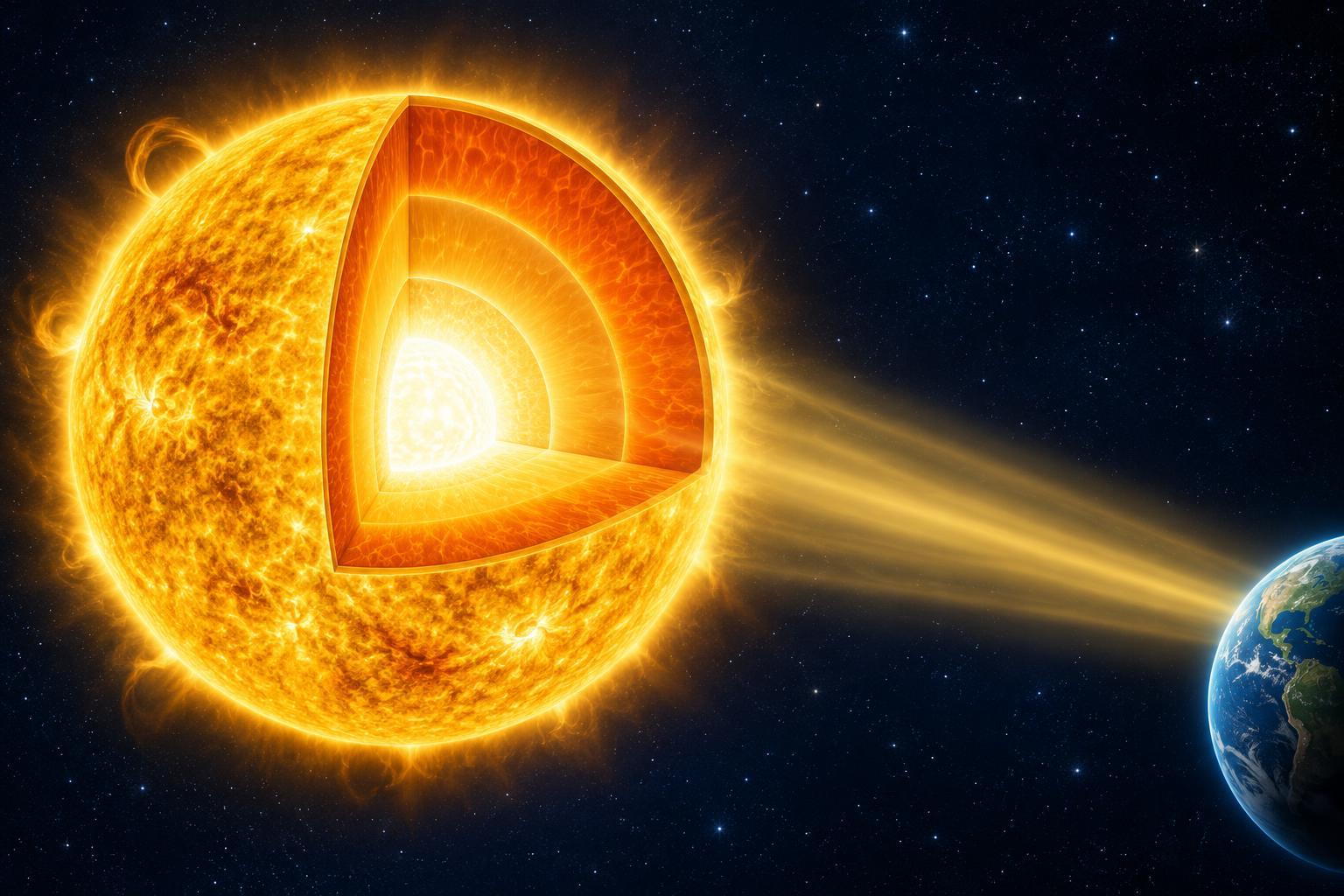
Space and AstronomyStars shine because gravity creates conditions in their cores where atomic nuclei can join. Here is how fusion releases energy, why stars remain stable for so long, and how that energy reaches us as sunlight.
Read article · 4 min↗
Space and AstronomySirius is the brightest star in Earth’s nighttime sky, but Proxima Centauri is closer. The difference comes down to two ways of describing brightness: how much light a star emits and how much of that light reaches us.
Read article · 4 min↗
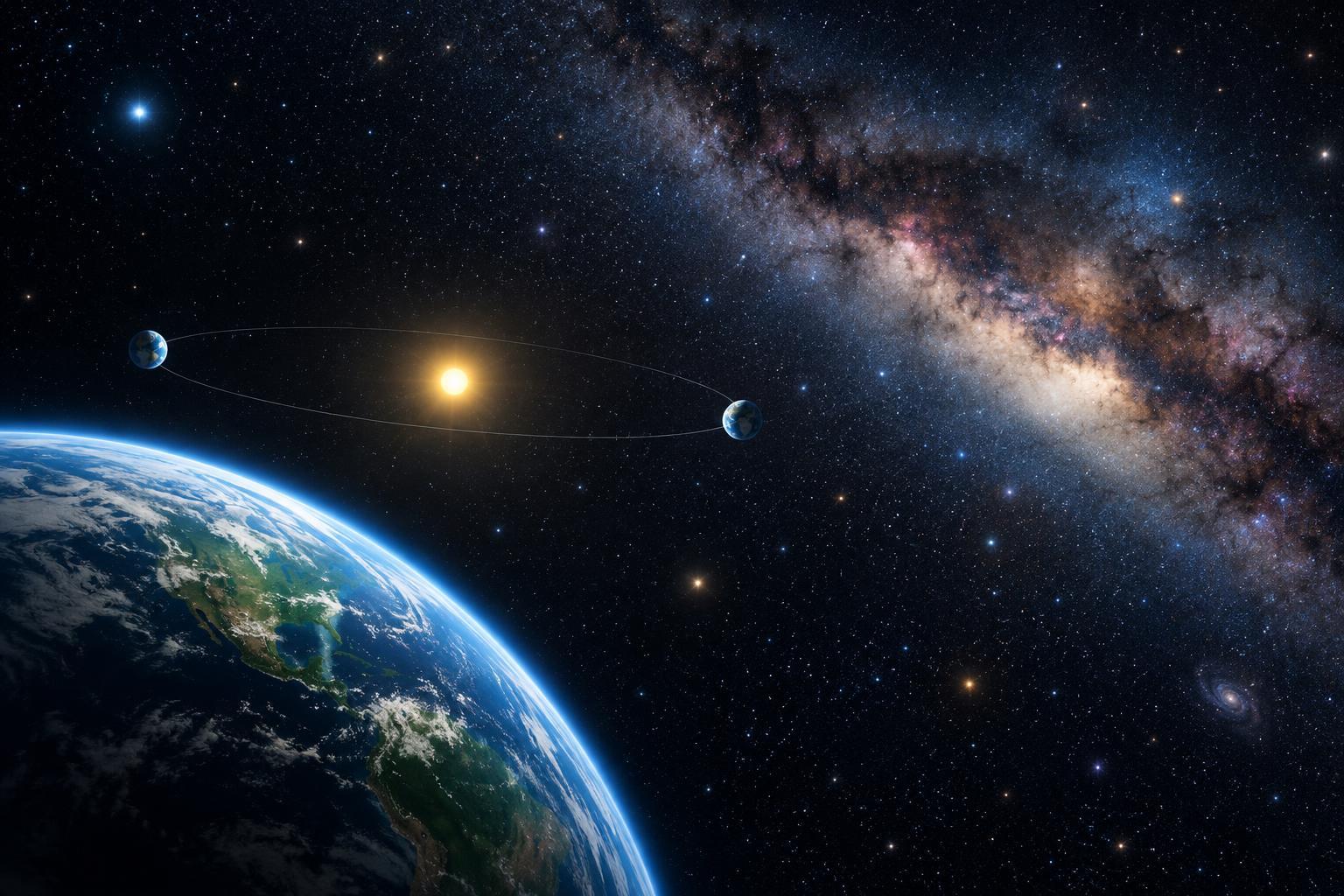
Space and AstronomySpace distances are easier to picture when you know why astronomers use different units. Learn what an astronomical unit, light-year and parsec measure, how they relate, and when each one is useful.
Read article · 4 min↗
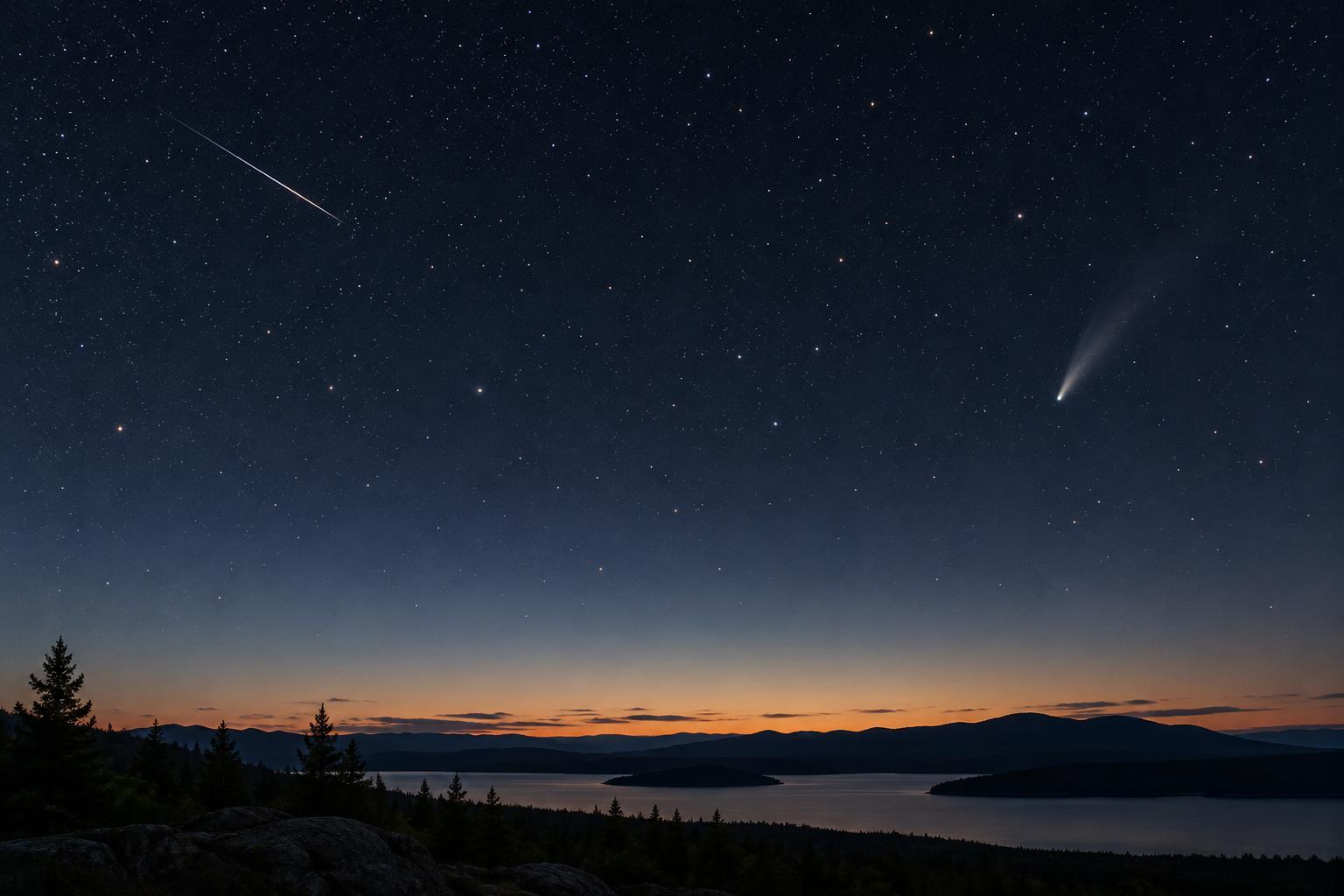
Space and AstronomyA streak, a fuzzy patch and a moving point of light can all have connections to small bodies in space, but they are not the same thing. Learn how to tell asteroids, comets and meteors apart, and what each sight reveals.
Read article · 4 min↗
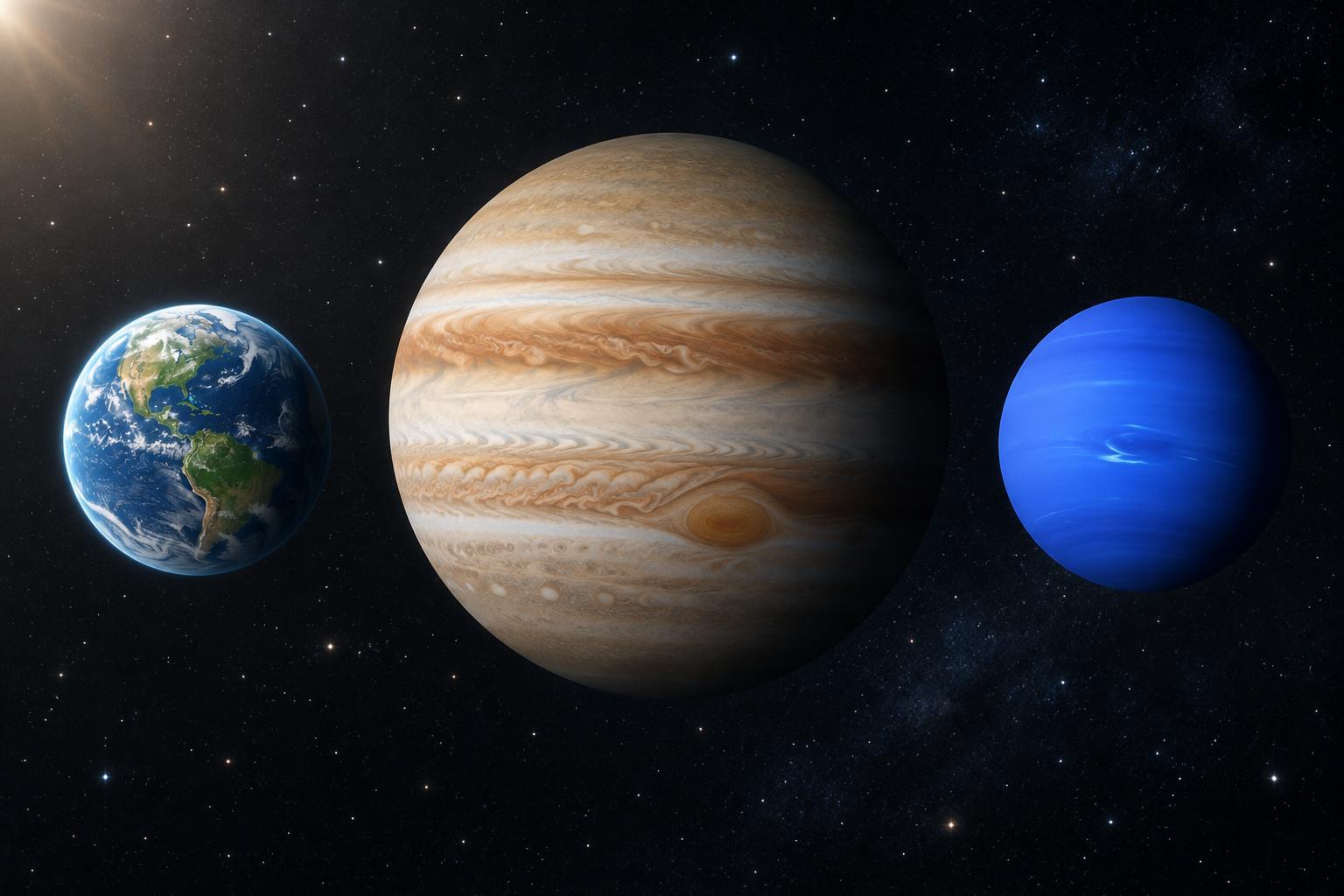
Space and AstronomyWhy is Earth so different from Jupiter or Neptune? The three broad types of planet differ in their materials, structure and atmospheres. Here is what those labels mean—and where they can be misleading.
Read article · 4 min↗
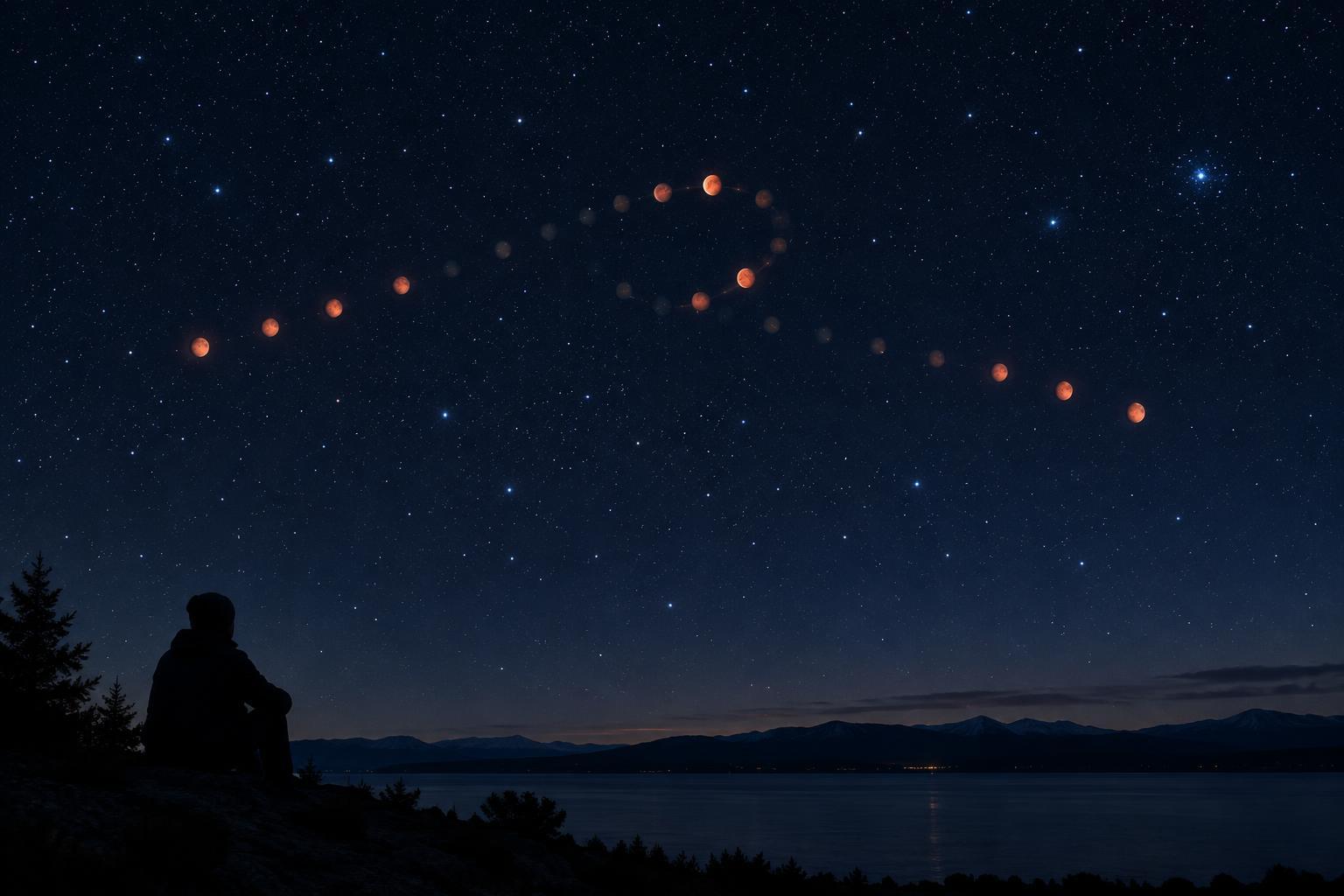
Space and AstronomyA planet can seem to reverse direction for weeks without changing the direction of its orbit. The effect, called apparent retrograde motion, comes from watching planets move around the Sun from a moving Earth.
Read article · 4 min↗
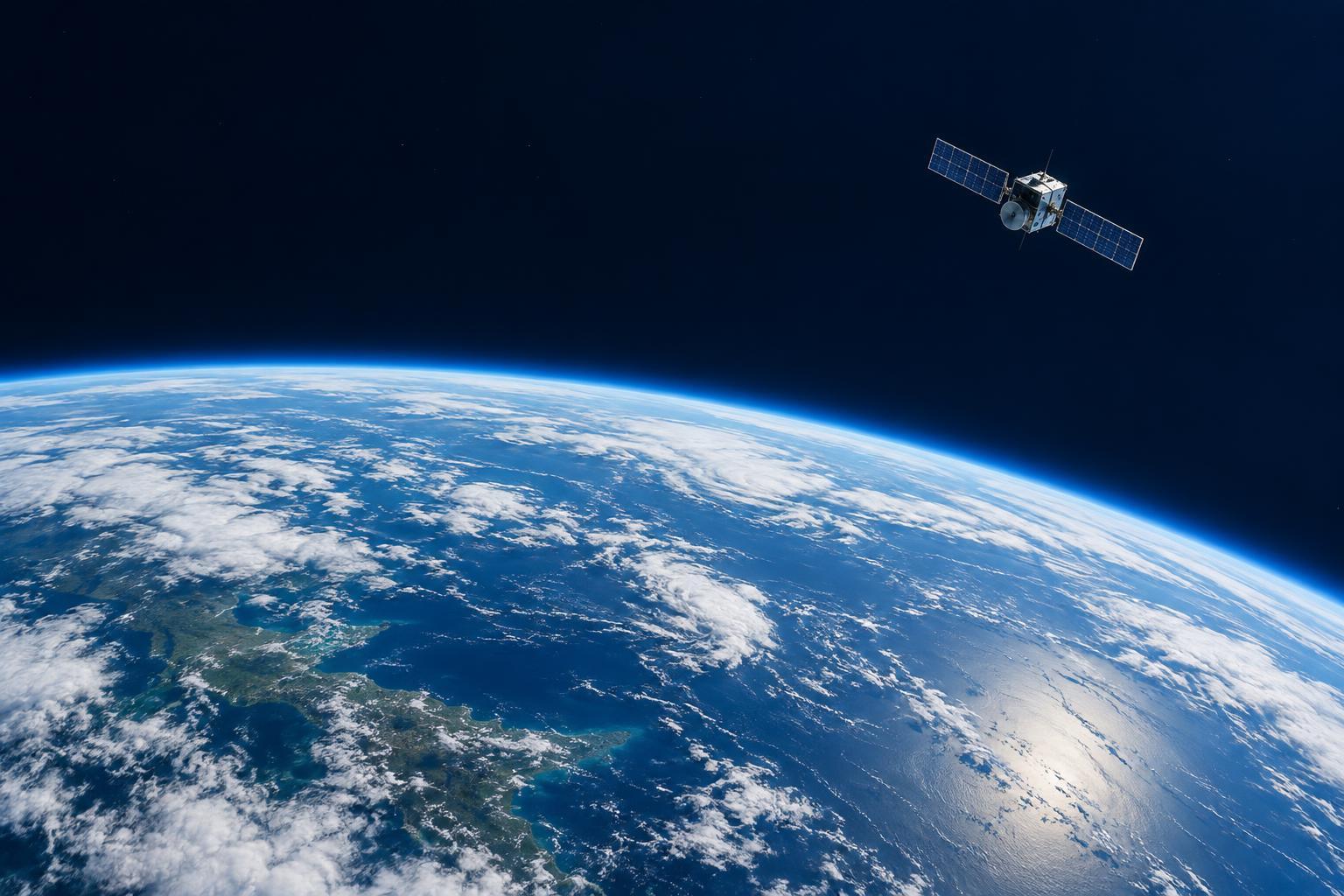
Space and AstronomyAn orbit is a continuing fall that keeps missing its target. Learn how gravity and sideways motion work together, why orbits take different shapes, and why satellites sometimes need a push.
Read article · 3 min↗

Space and AstronomyOcean tides begin with differences in the Moon’s and Sun’s gravitational pull across Earth. But the familiar rise and fall of the sea also depend on Earth’s rotation, the shape of ocean basins and the contours of the coast.
Read article · 4 min↗
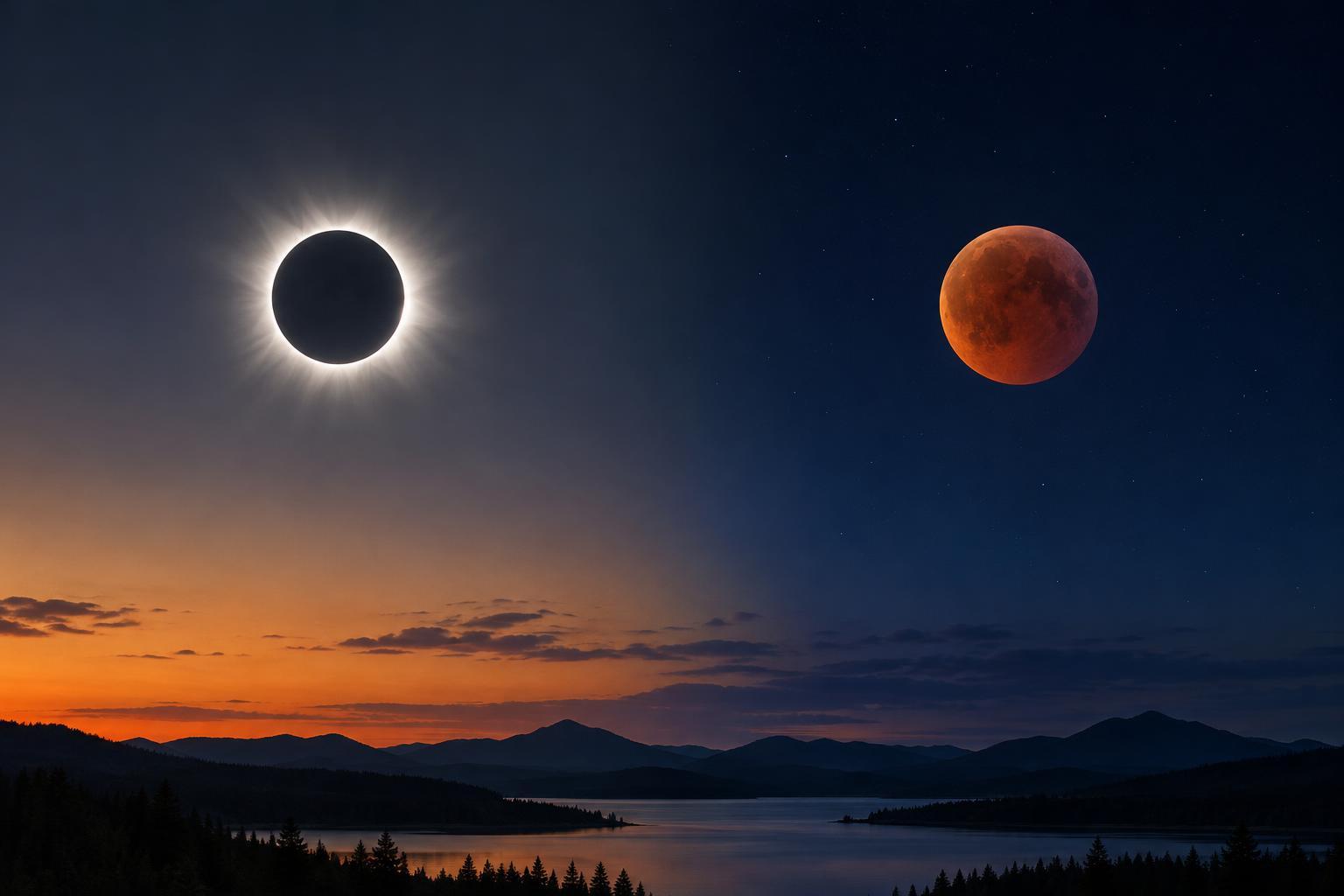
Space and AstronomyBoth kinds of eclipse involve the Sun, Earth and Moon lining up, but the object casting the shadow changes. Learn why solar eclipses darken part of Earth, why lunar eclipses shade the Moon, and why neither happens every month.
Read article · 4 min↗
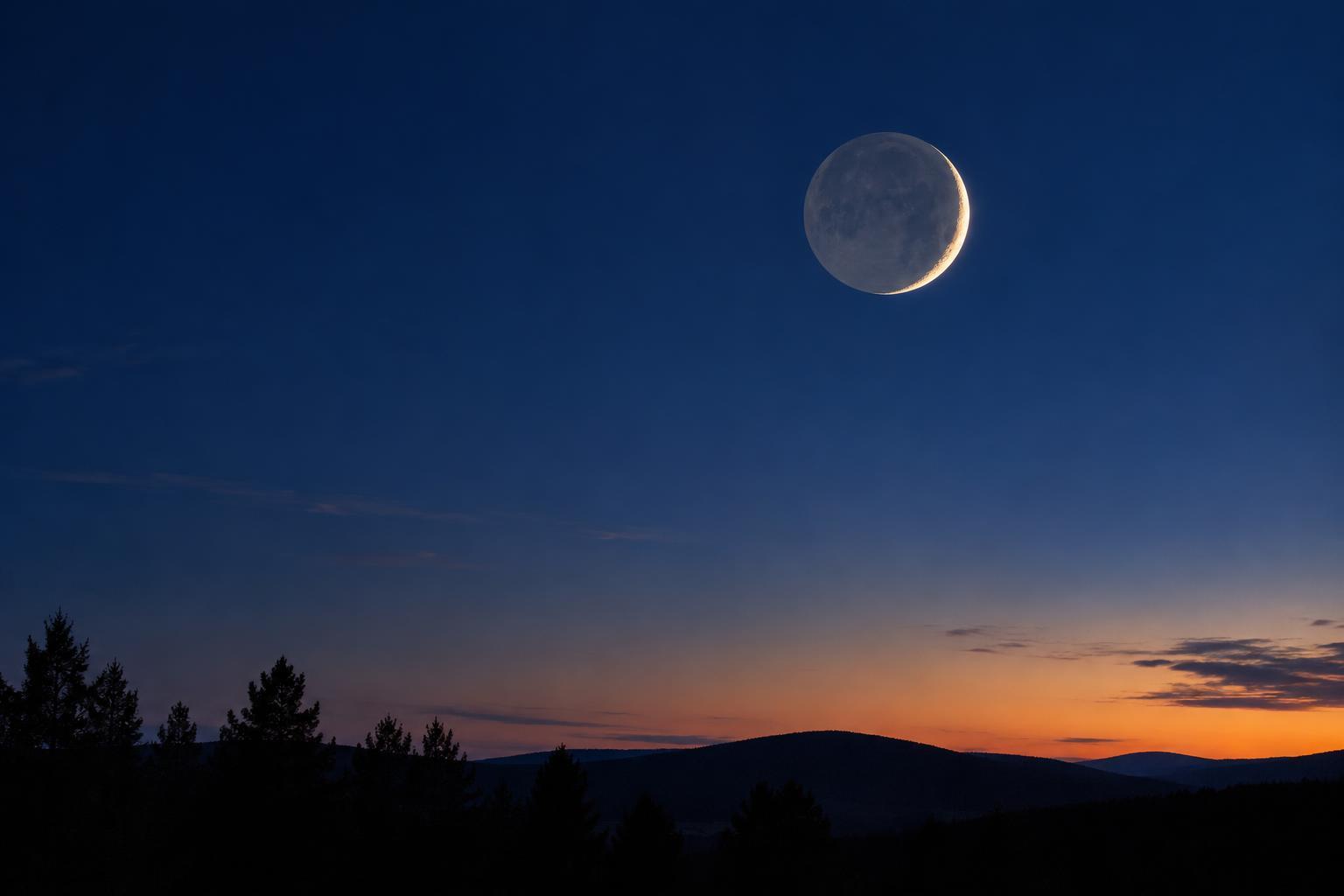
Space and AstronomyThe Moon does not change shape, and Earth’s shadow does not cause its ordinary phases. Its changing appearance comes from our view of the sunlit half as the Moon travels around Earth.
Read article · 4 min↗
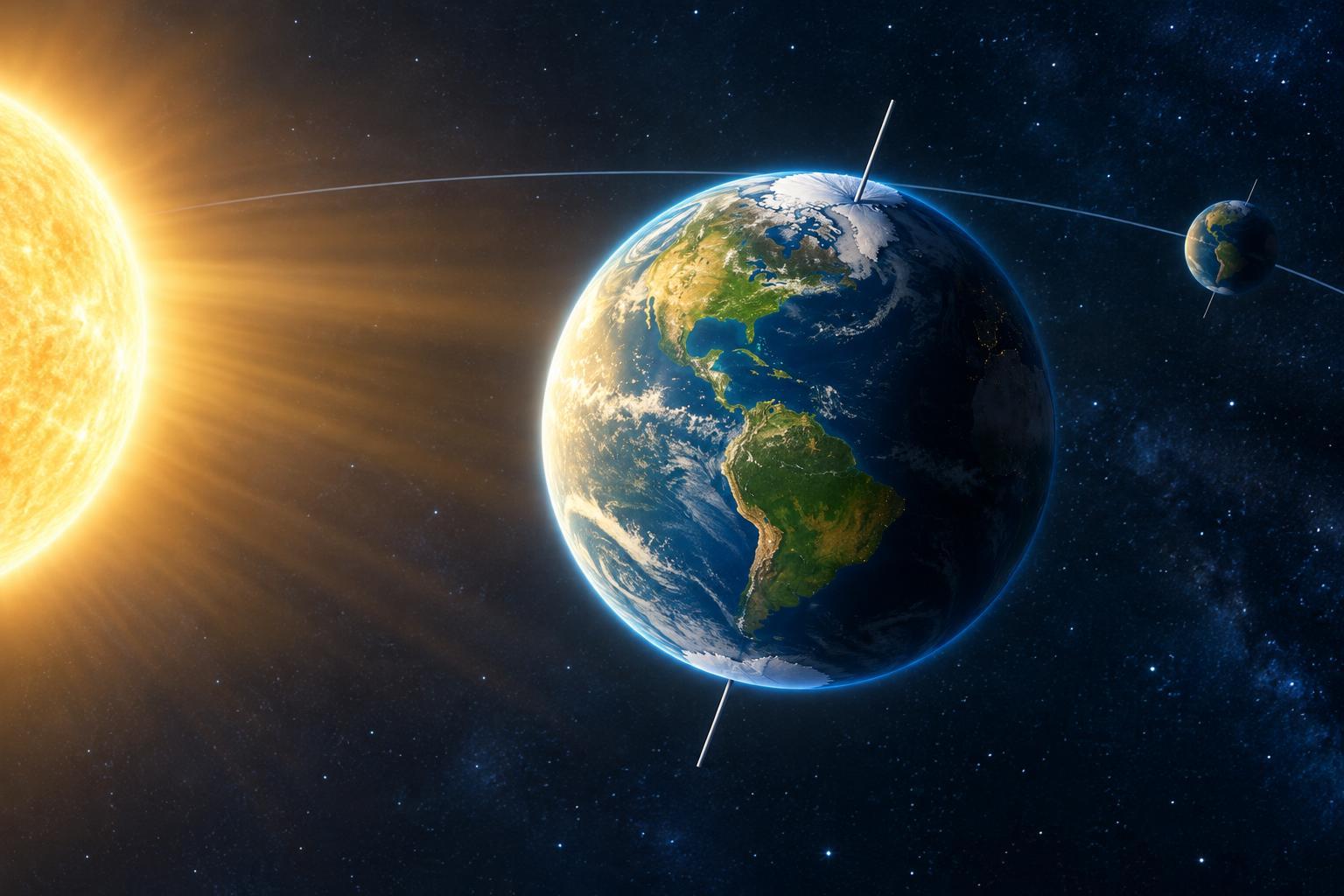
Space and AstronomyEarth is closest to the Sun during Northern Hemisphere winter, so distance cannot explain the seasons. The main cause is Earth’s tilted axis, which changes the angle of sunlight and the length of the day as our planet orbits the Sun.
Read article · 3 min↗
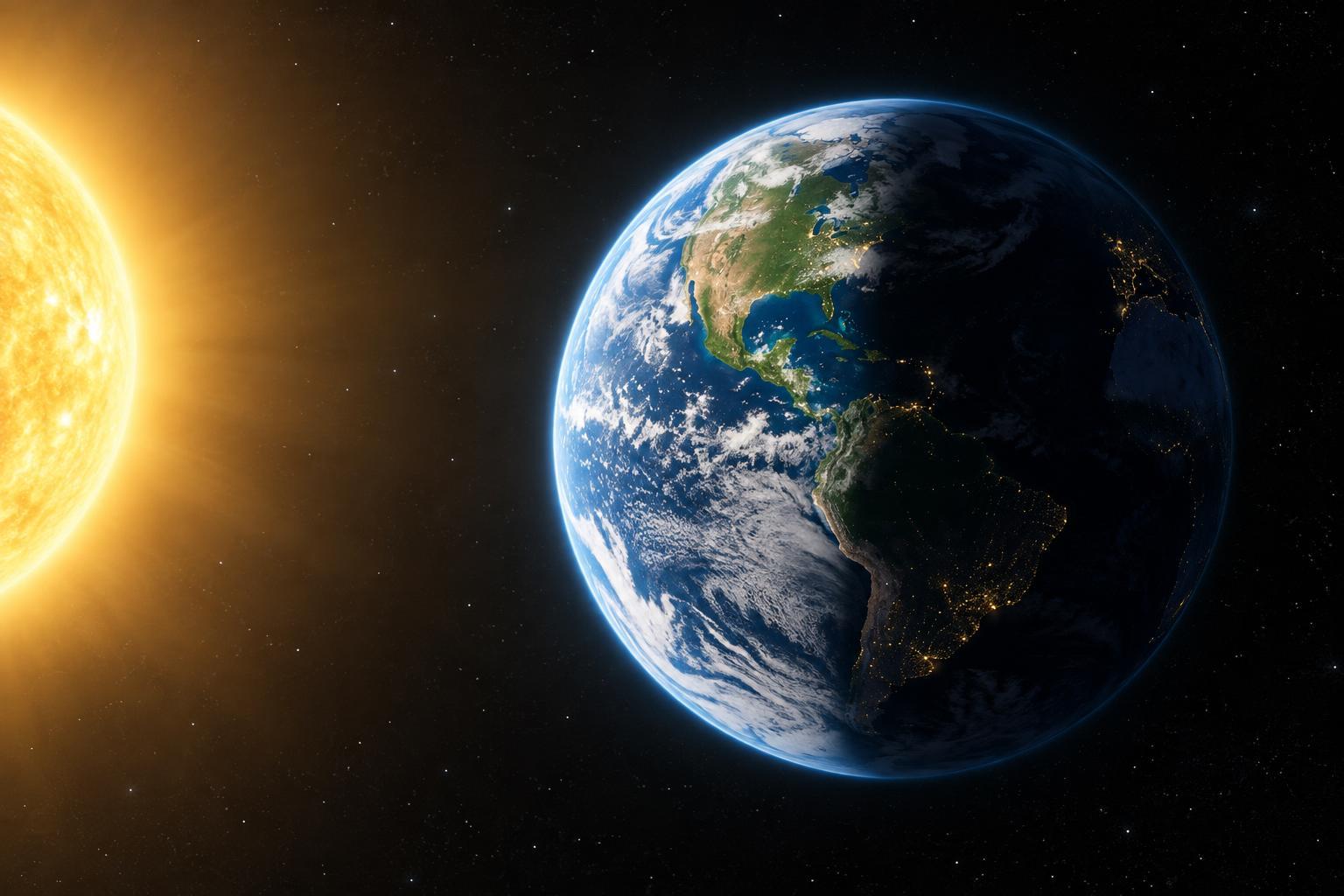
Space and AstronomyDay and night happen because Earth rotates. As your location turns toward the Sun, it enters daylight; as it turns away, it enters darkness. Earth’s tilted axis and changing position in orbit also help explain why the length of daylight varies through the year.
Read article · 4 min↗