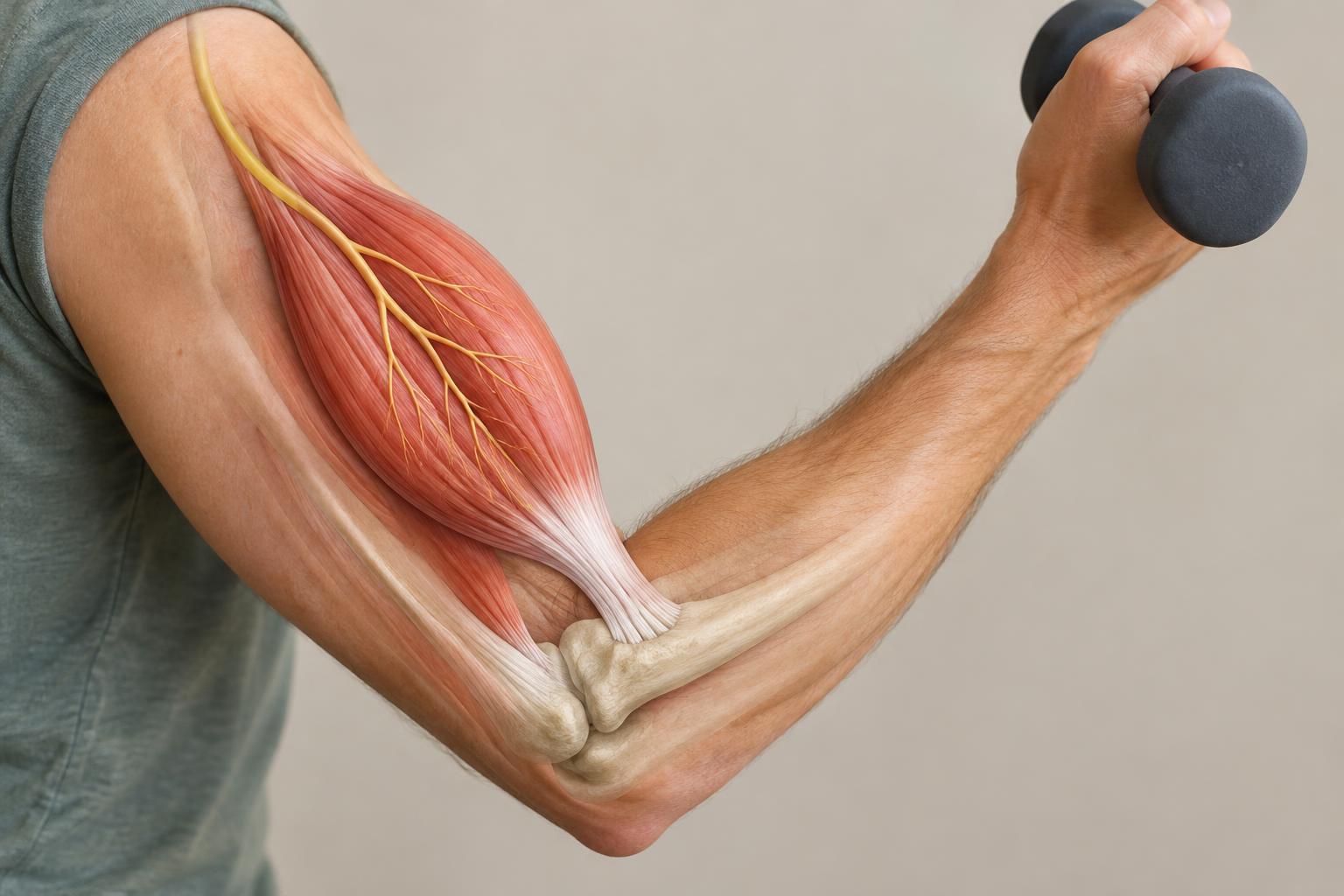
Life SciencesA muscle moves a joint by pulling, but that simple action depends on electrical signals, tiny protein filaments and a steady supply of energy. Here is how contraction begins, how it ends and why muscles work in teams.
Read article · 3 min↗
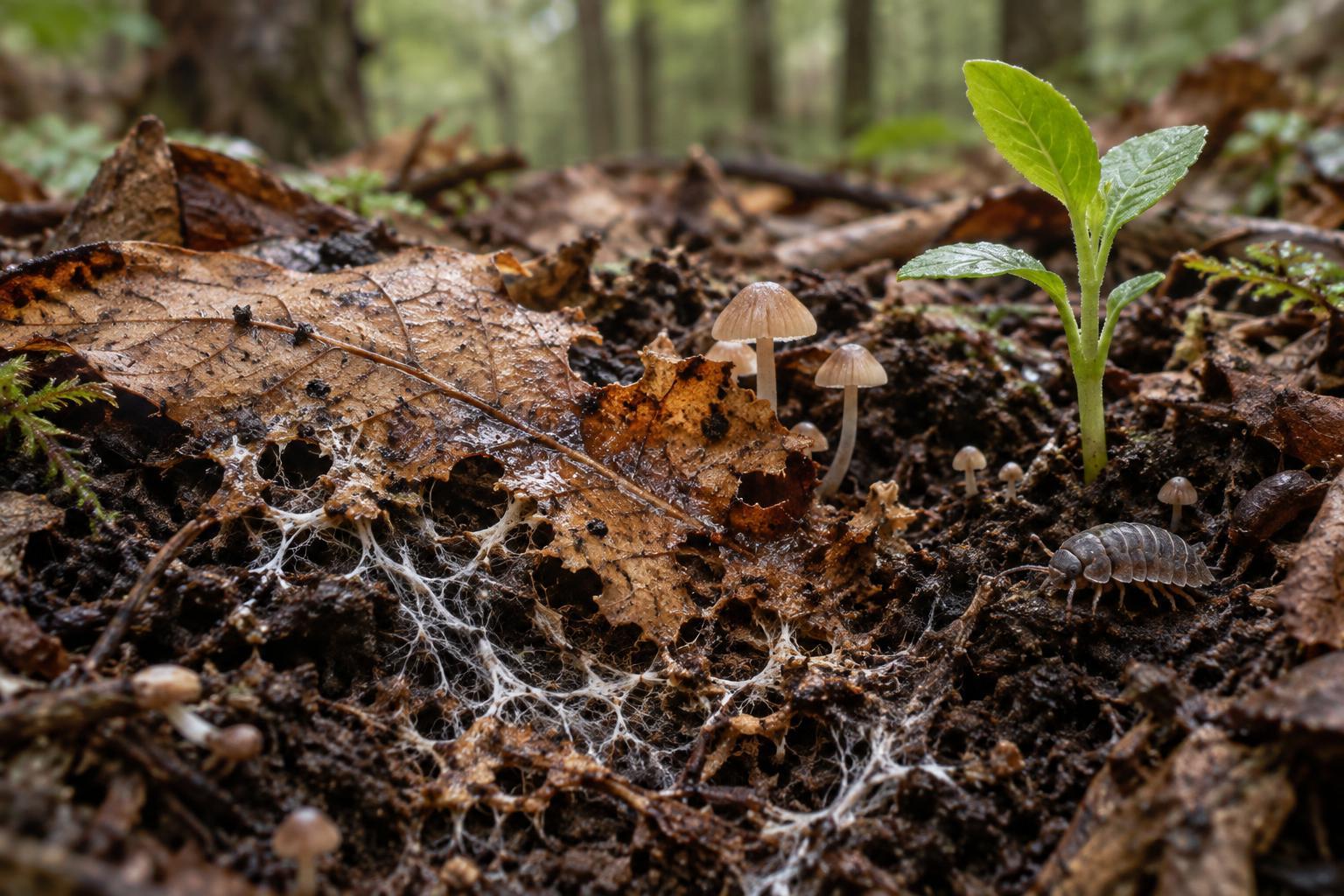
Life SciencesA fallen leaf does not simply disappear. Fungi, bacteria and small animals break it down, moving its nutrients into soil, water and living things. Here is how decomposition works, why conditions matter and what leaf litter can reveal about the cycle.
Read article · 4 min↗
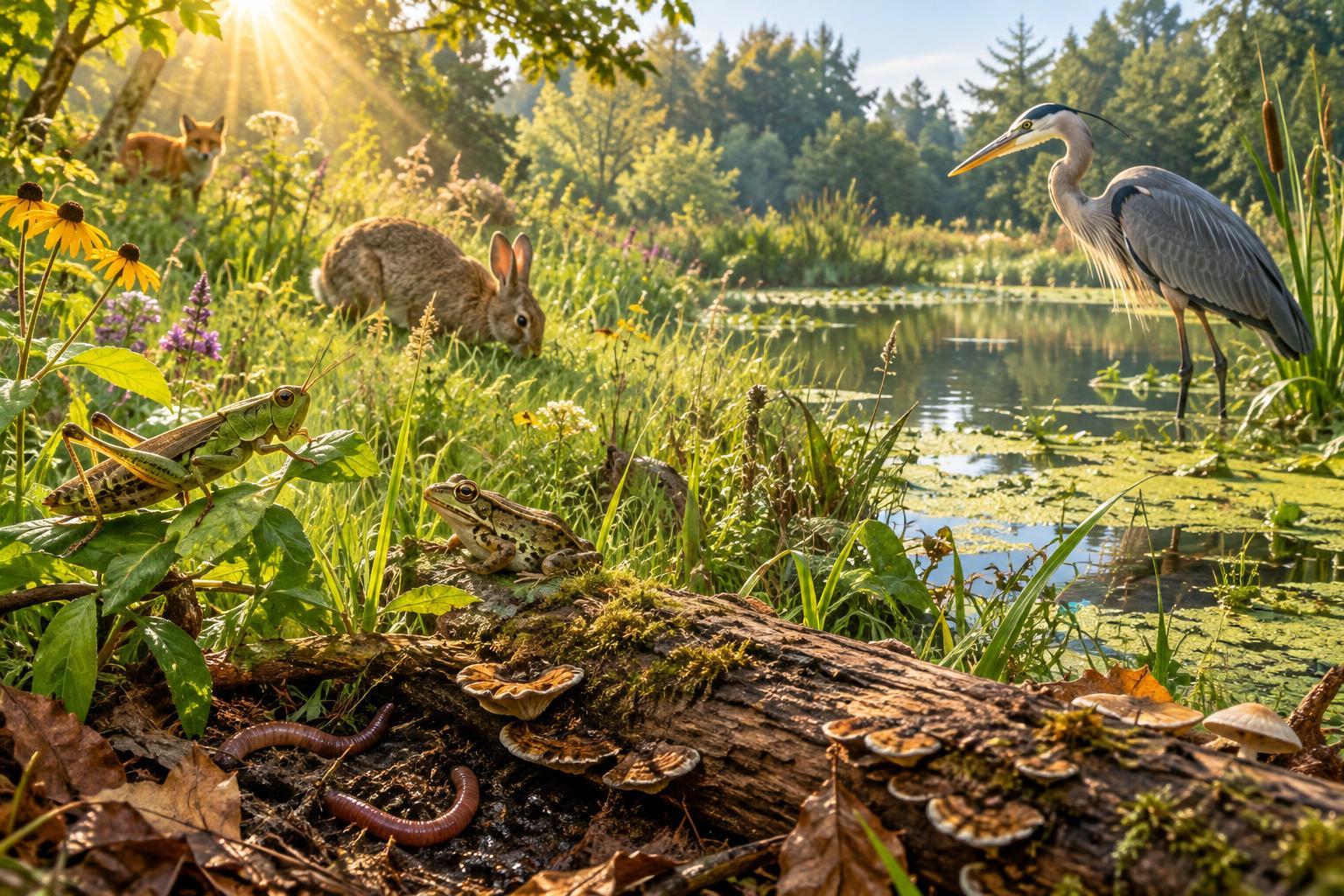
Life SciencesA food web shows more than who eats whom. Follow energy from producers through consumers and decomposers, and see why energy flows while nutrients are reused.
Read article · 4 min↗
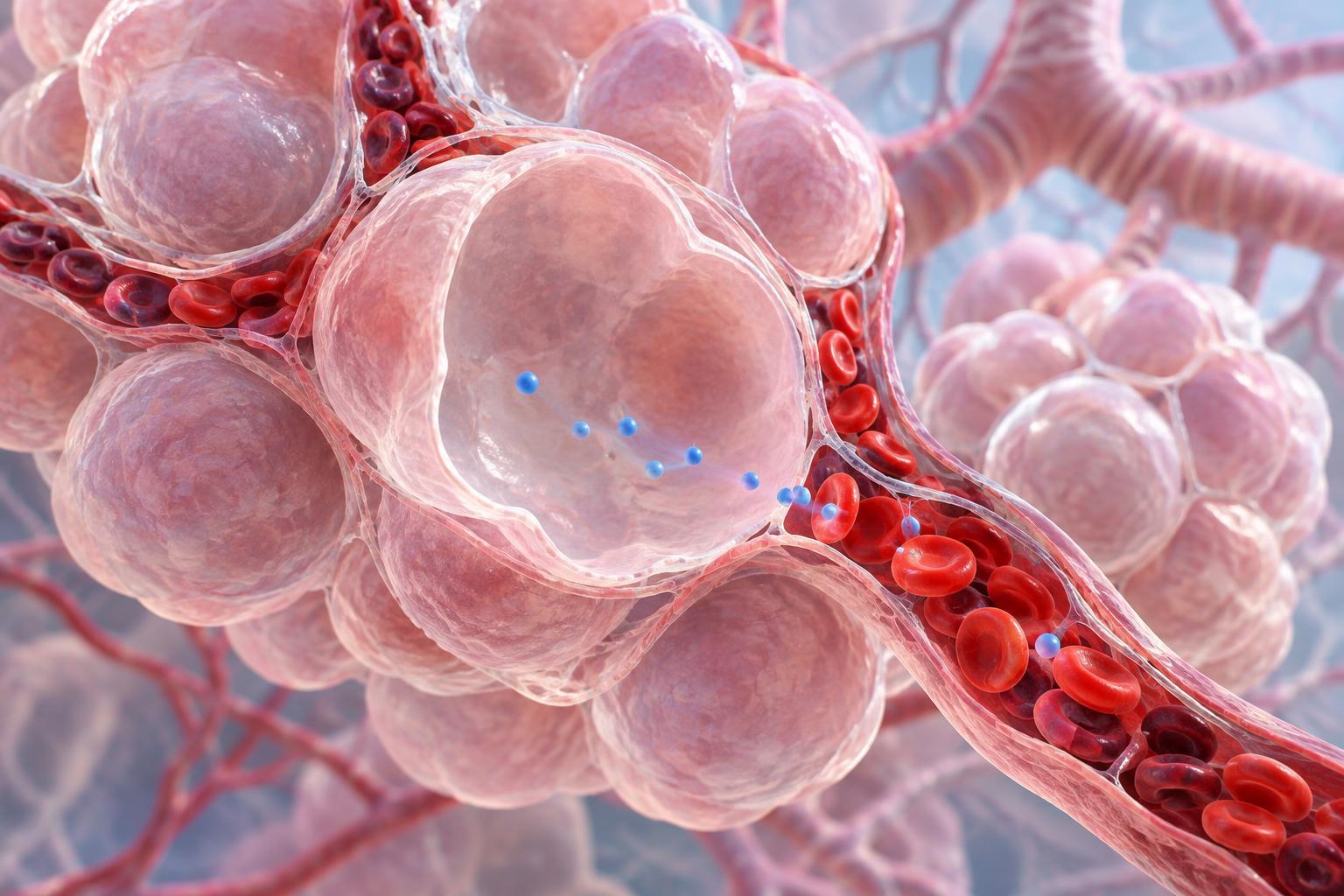
Life SciencesBreathing brings air into the lungs, but oxygen must cross a thin barrier before the body can use it. Follow its path from the air sacs into the bloodstream and see why airflow, blood flow and hemoglobin all matter.
Read article · 3 min↗
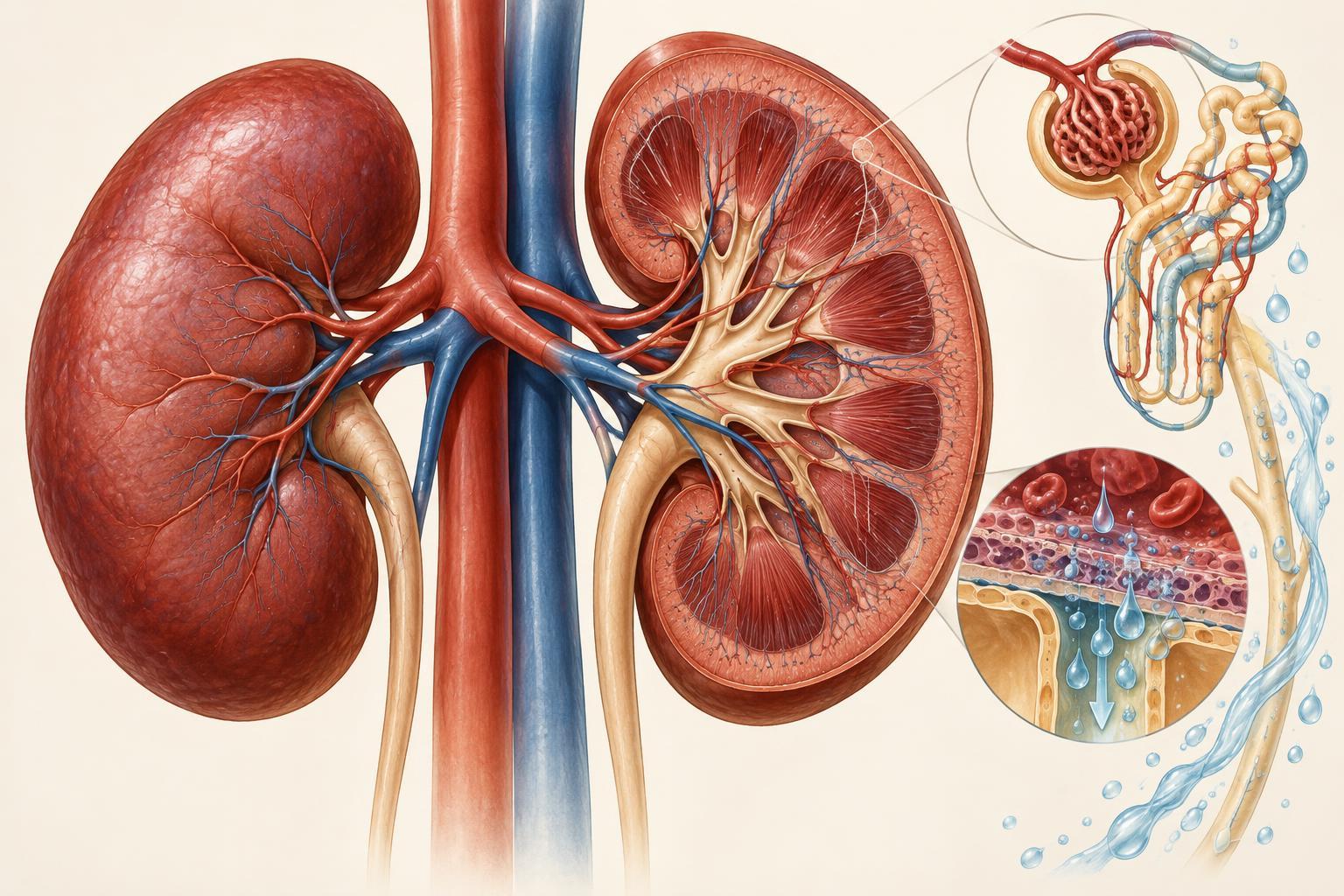
Life SciencesKidneys do more than remove waste. Their tiny filtering units recover useful substances, adjust how much water leaves as urine, and help keep the body’s internal conditions steady.
Read article · 4 min↗
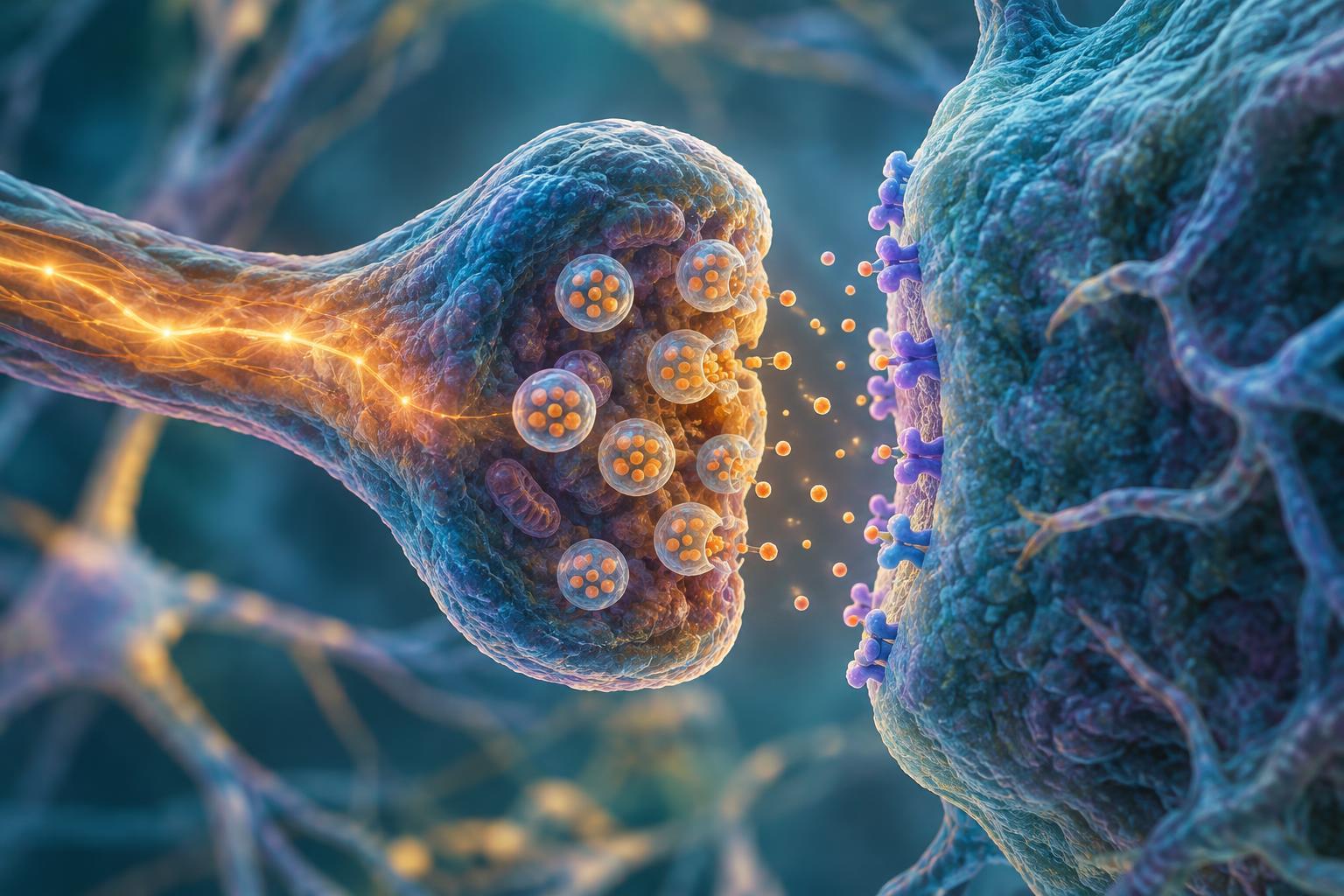
Life SciencesA thought or movement depends on nerve cells passing signals to one another. Follow a signal from its electrical journey along a neuron to the chemical handoff at a synapse, and see how the receiving cell responds.
Read article · 4 min↗
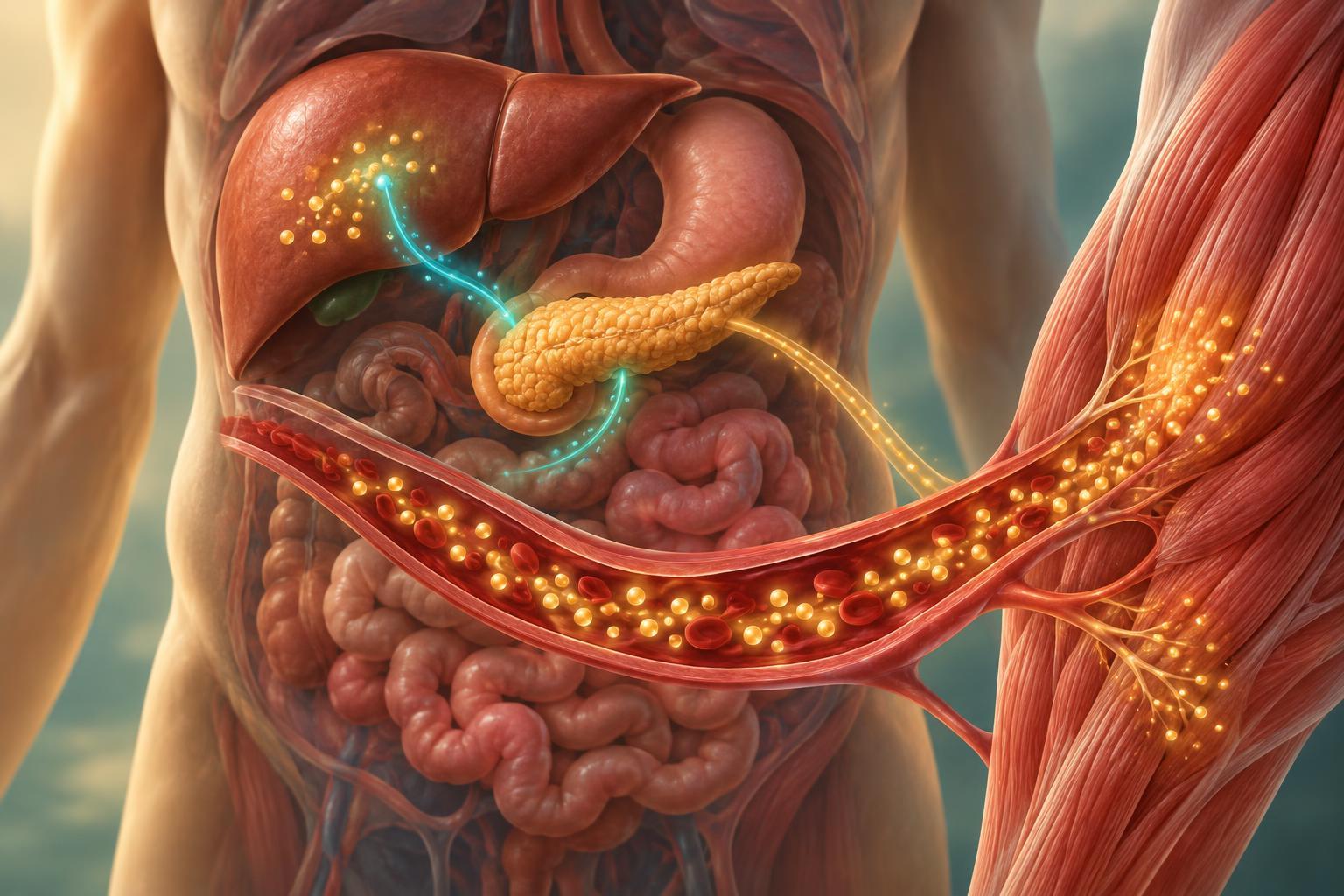
Life SciencesBlood sugar changes throughout the day as we eat, move and use energy. Learn how insulin, glucagon and other hormones help keep glucose available to the body’s cells without letting too much accumulate in the bloodstream.
Read article · 3 min↗
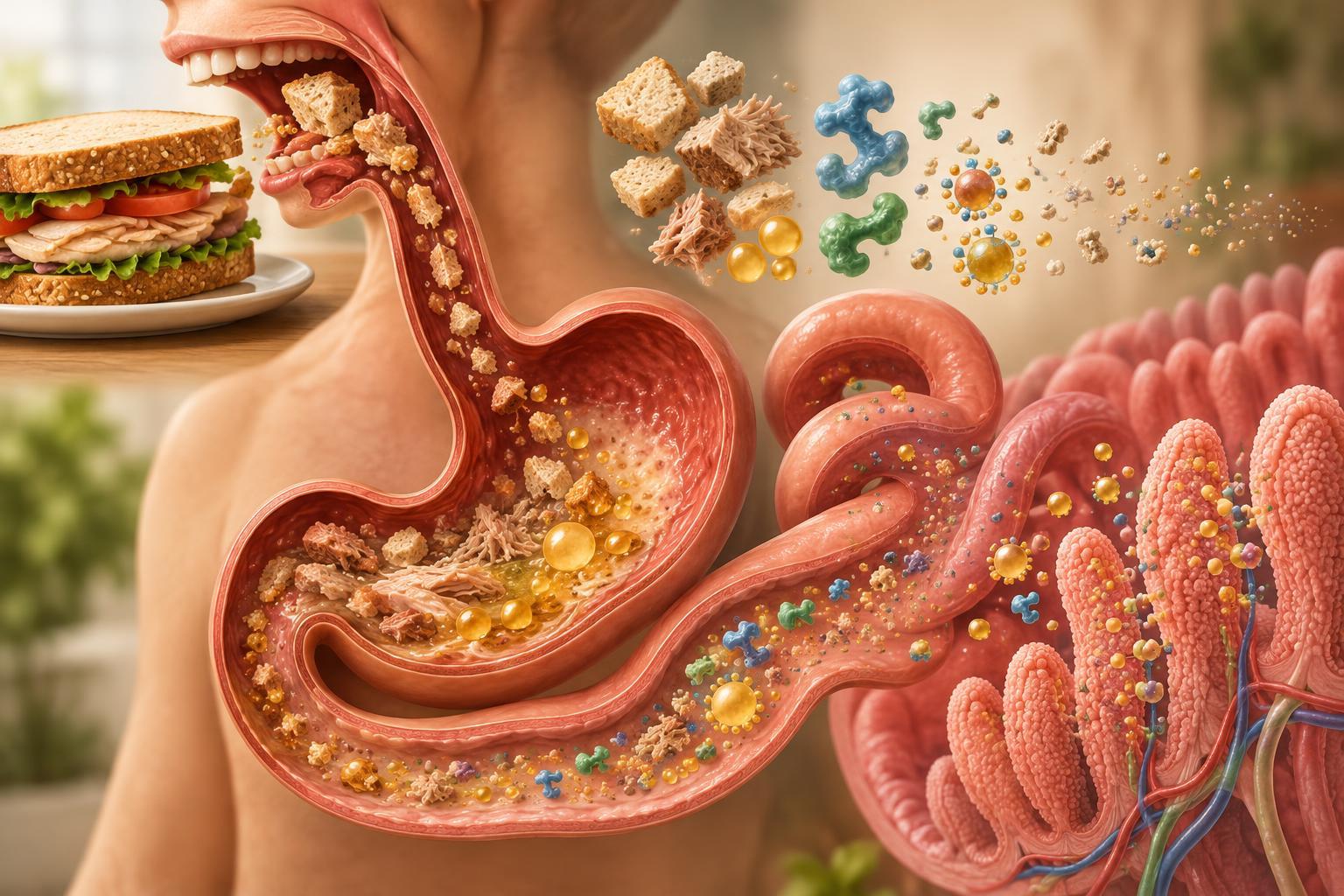
Life SciencesA sandwich contains starch, protein and fat, but the body cannot absorb most of those large molecules intact. Follow the enzymes that cut food into smaller pieces, and see why bile, the small intestine and its lining matter too.
Read article · 3 min↗
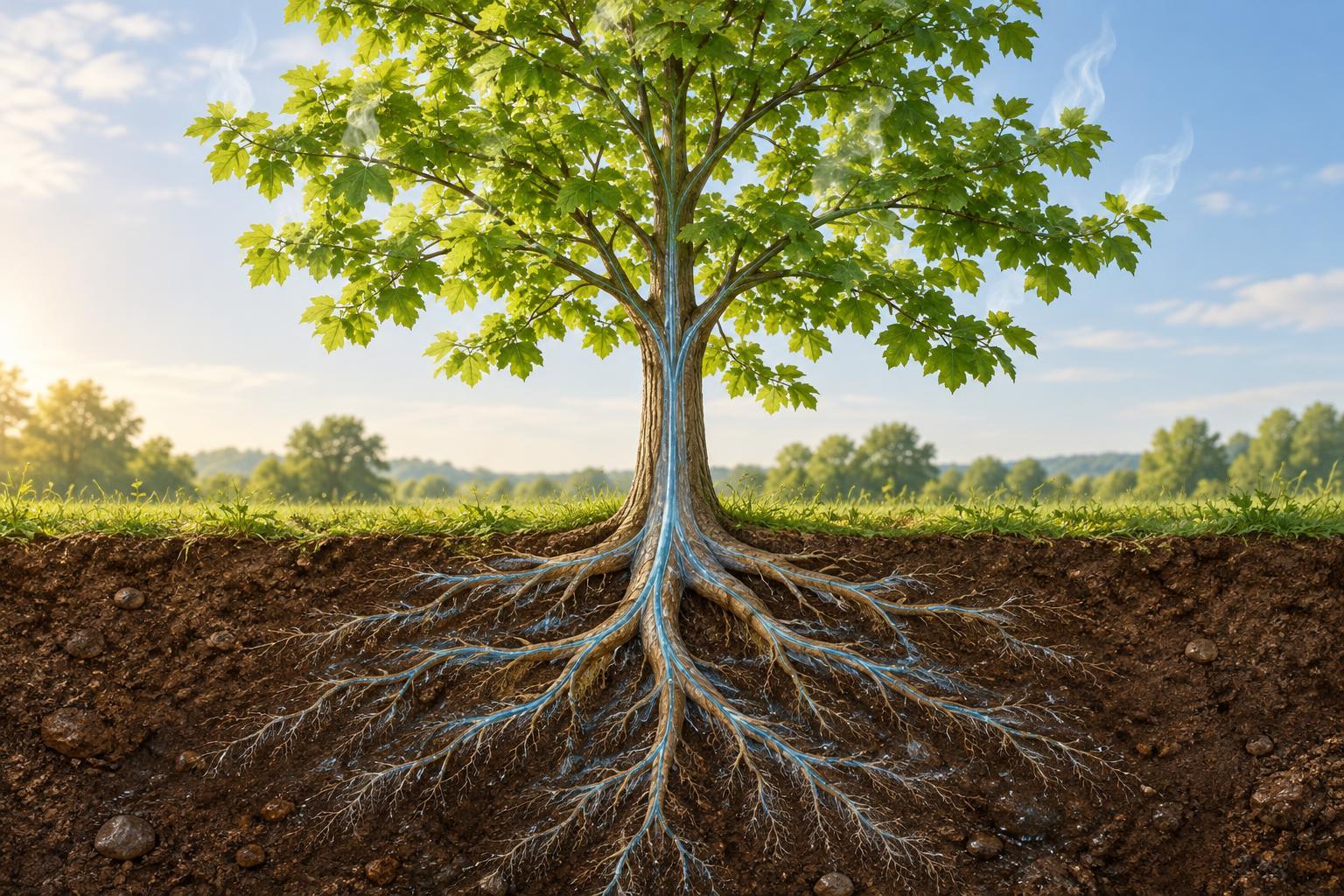
Life SciencesA tree has no heart to pump water upward. Instead, evaporation from its leaves helps pull a continuous supply through narrow tubes that begin in the roots. Follow the journey from soil to leaf, and see why a plant must balance water loss against the need for carbon dioxide.
Read article · 4 min↗
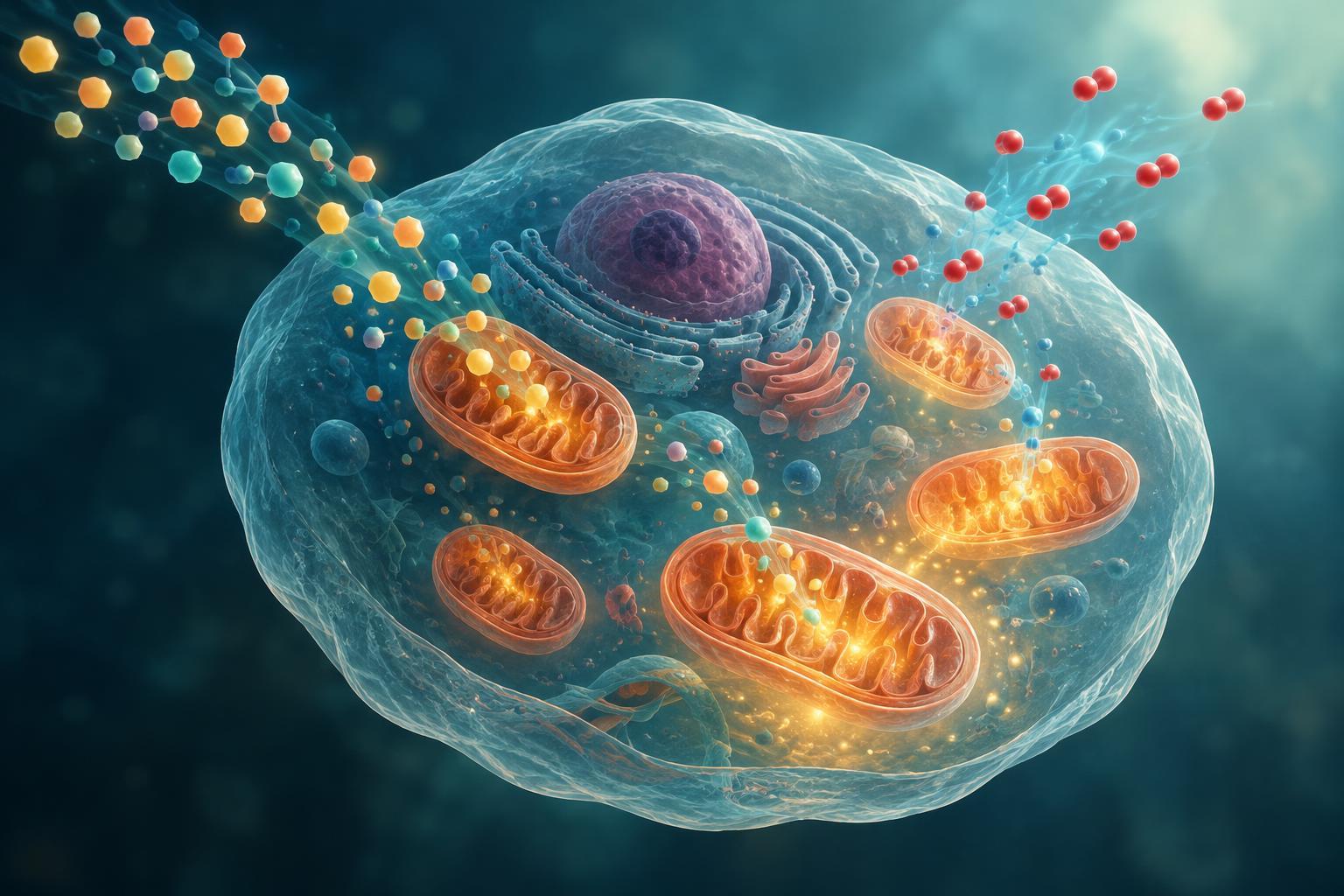
Life SciencesA meal does not turn directly into movement or warmth. Cells break down food molecules through a series of reactions, capturing some of the released energy in ATP. Here is how the process works, why oxygen matters, and what happens when it is scarce.
Read article · 3 min↗
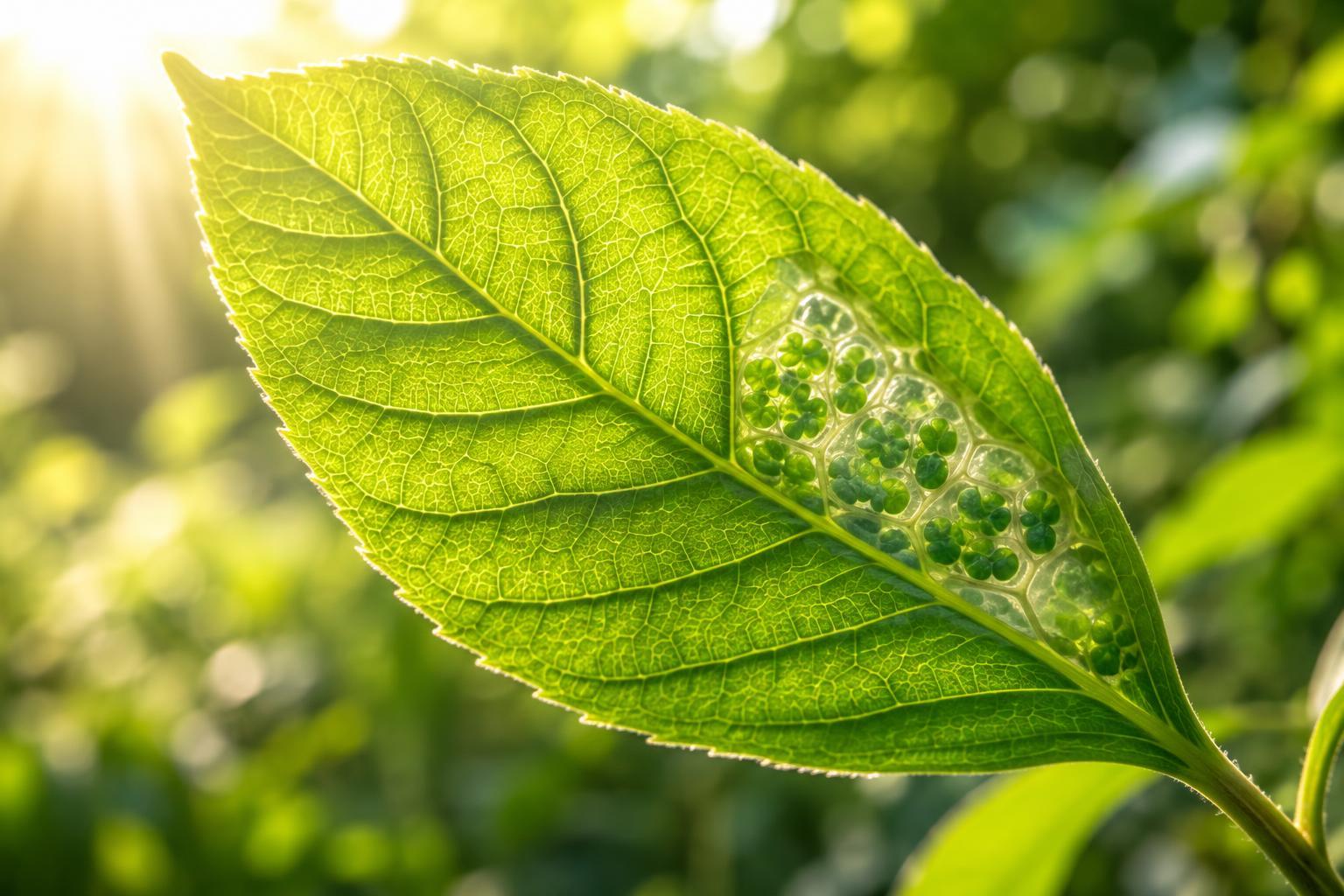
Life SciencesPhotosynthesis does more than make plants green. Inside chloroplasts, light powers a flow of electrons that produces chemical energy carriers. Those carriers then help turn carbon dioxide into molecules a plant can use to grow, store energy and build new tissues.
Read article · 4 min↗
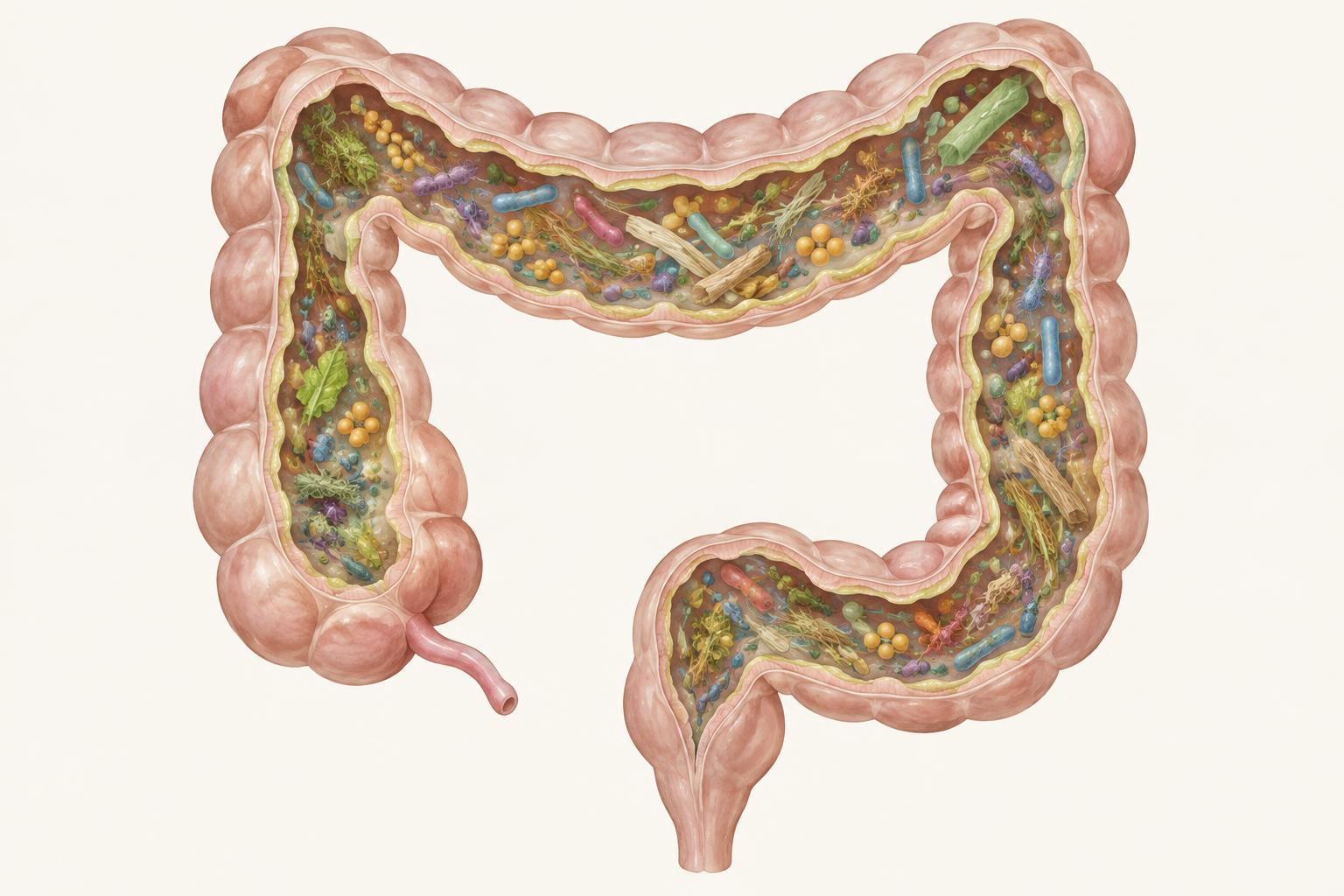
Life SciencesThe gut microbiome helps process food, interacts with the immune system and changes over time. But a list of microbes cannot, on its own, explain a person’s symptoms or predict their health. Here is a practical guide to what the microbiome does and where interpretation becomes difficult.
Read article · 4 min↗
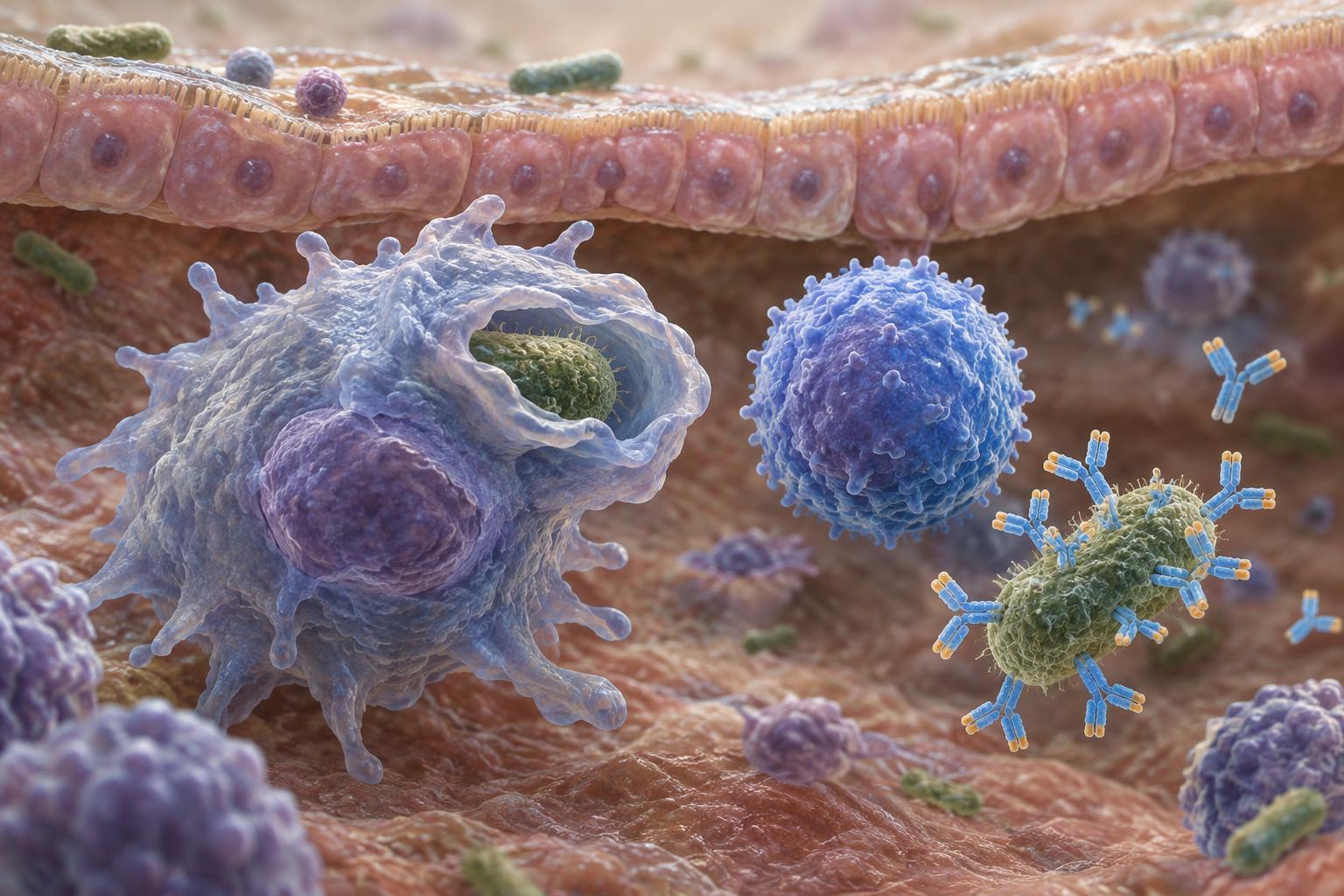
Life SciencesThe immune system responds to infection in overlapping stages. Innate defenses react quickly to common signs of trouble, while adaptive defenses target particular threats and can remember them. Here is how the two systems work together, from the body’s barriers to immune memory.
Read article · 4 min↗
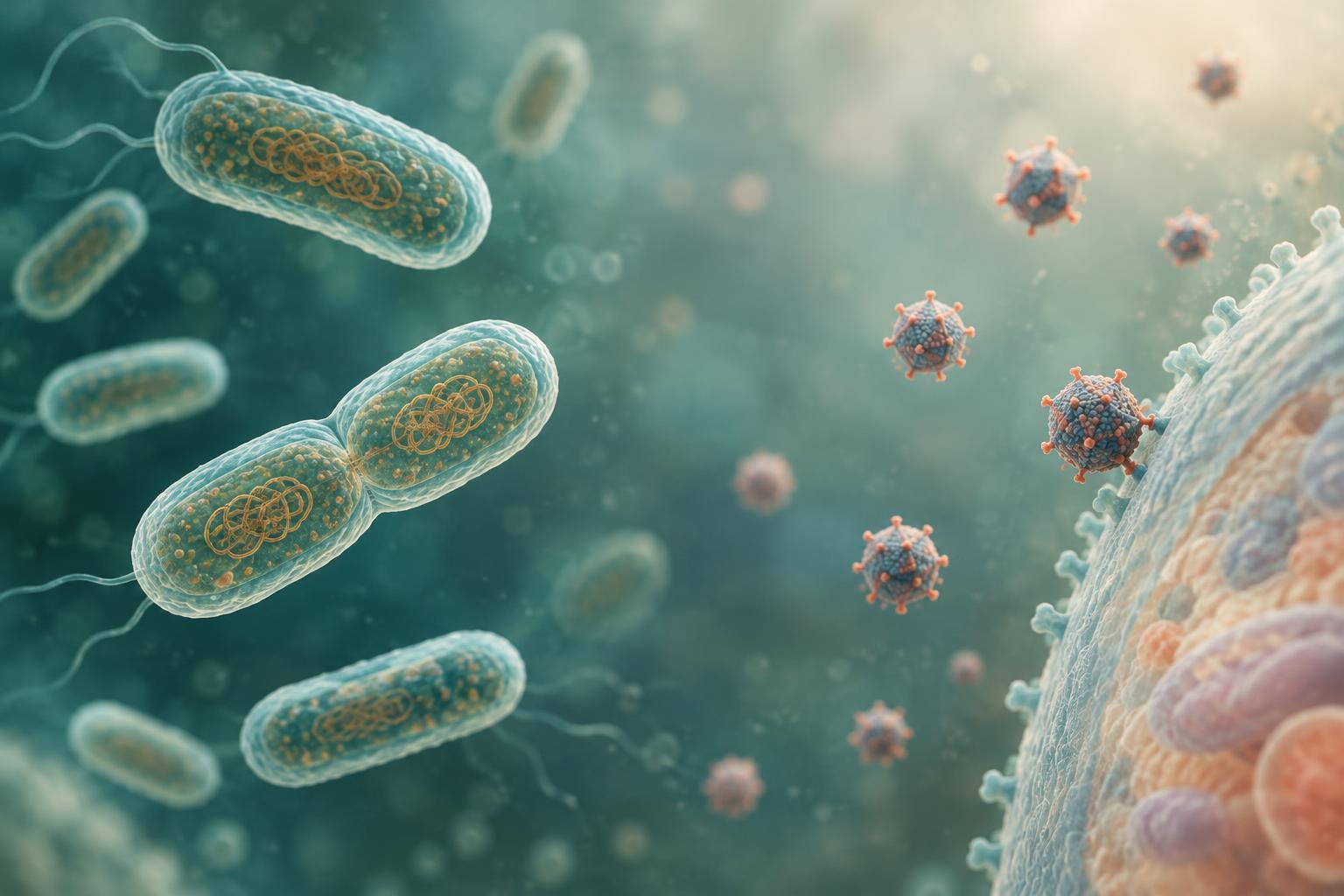
Life SciencesBacteria and viruses can both cause infections, but they differ in structure, reproduction and their relationships with living cells. Learn why those differences matter for treatments, ecosystems and everyday life.
Read article · 4 min↗
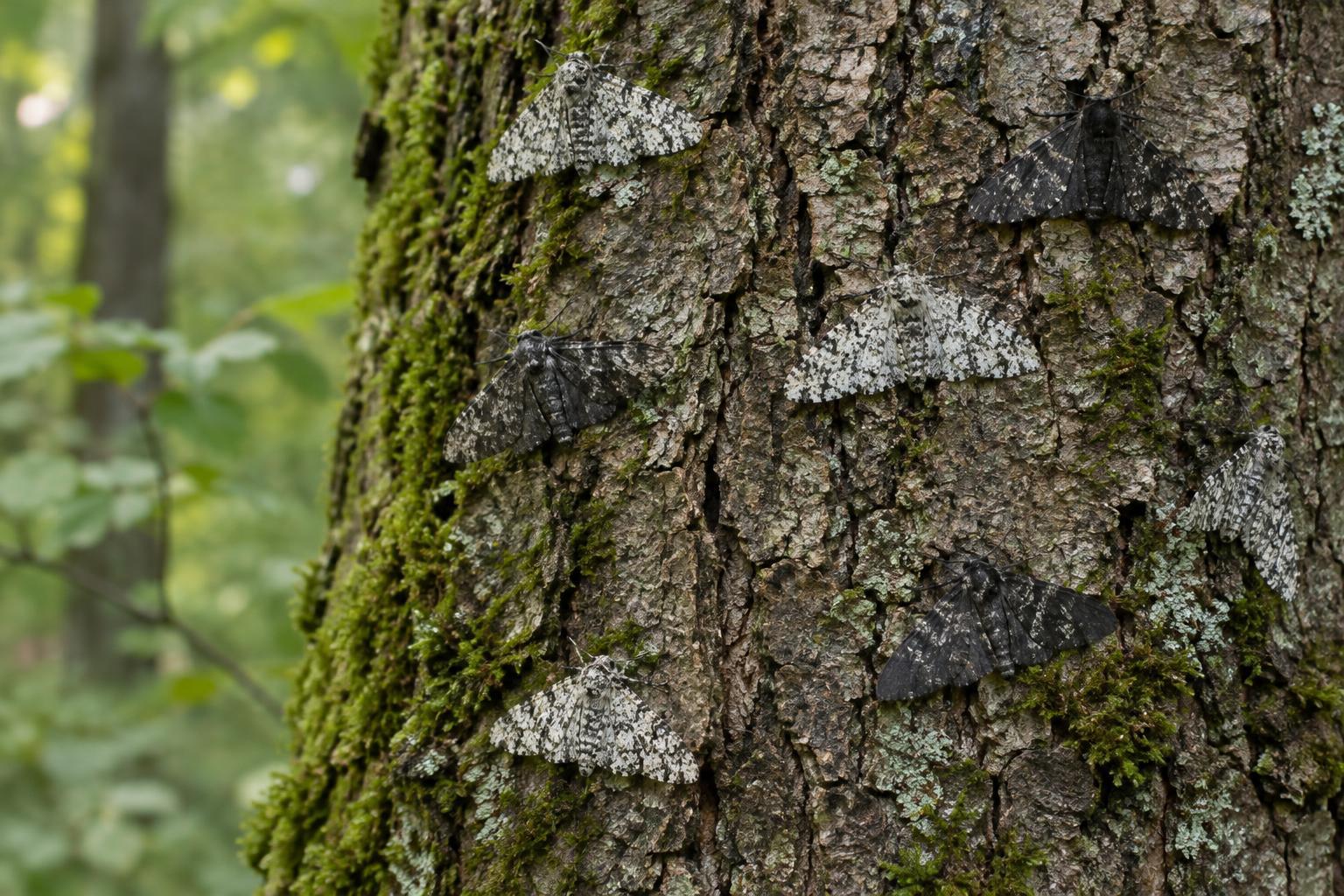
Life SciencesNatural selection does not transform an individual during its lifetime. It changes how common inherited traits are in a population as generations pass. Here is how variation, inheritance and the environment work together—and why chance matters too.
Read article · 3 min↗
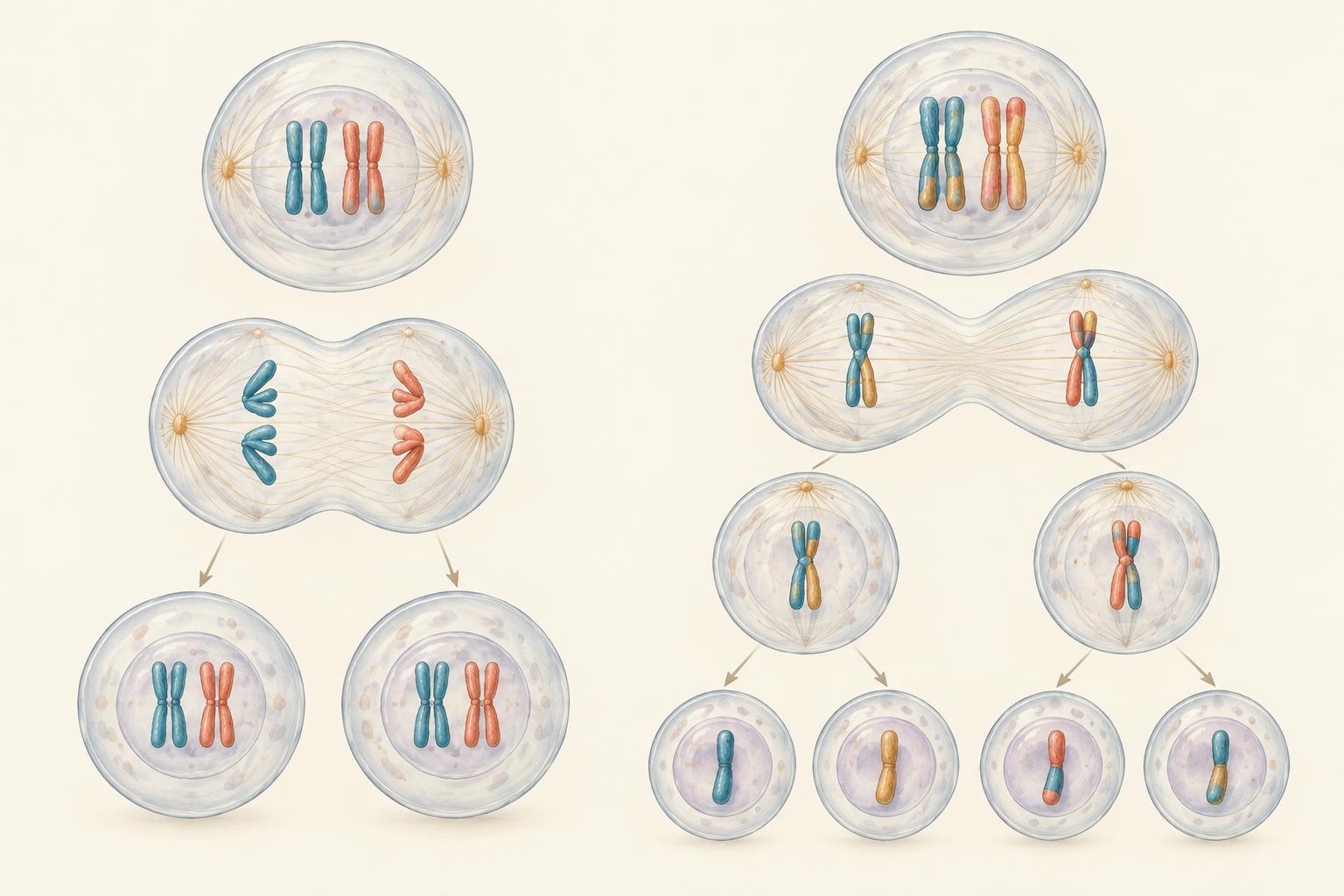
Life SciencesMitosis makes cells for growth and repair, while meiosis prepares cells for sexual reproduction. Learn how they differ in chromosome number, genetic variation and the steps that separate chromosomes.
Read article · 3 min↗
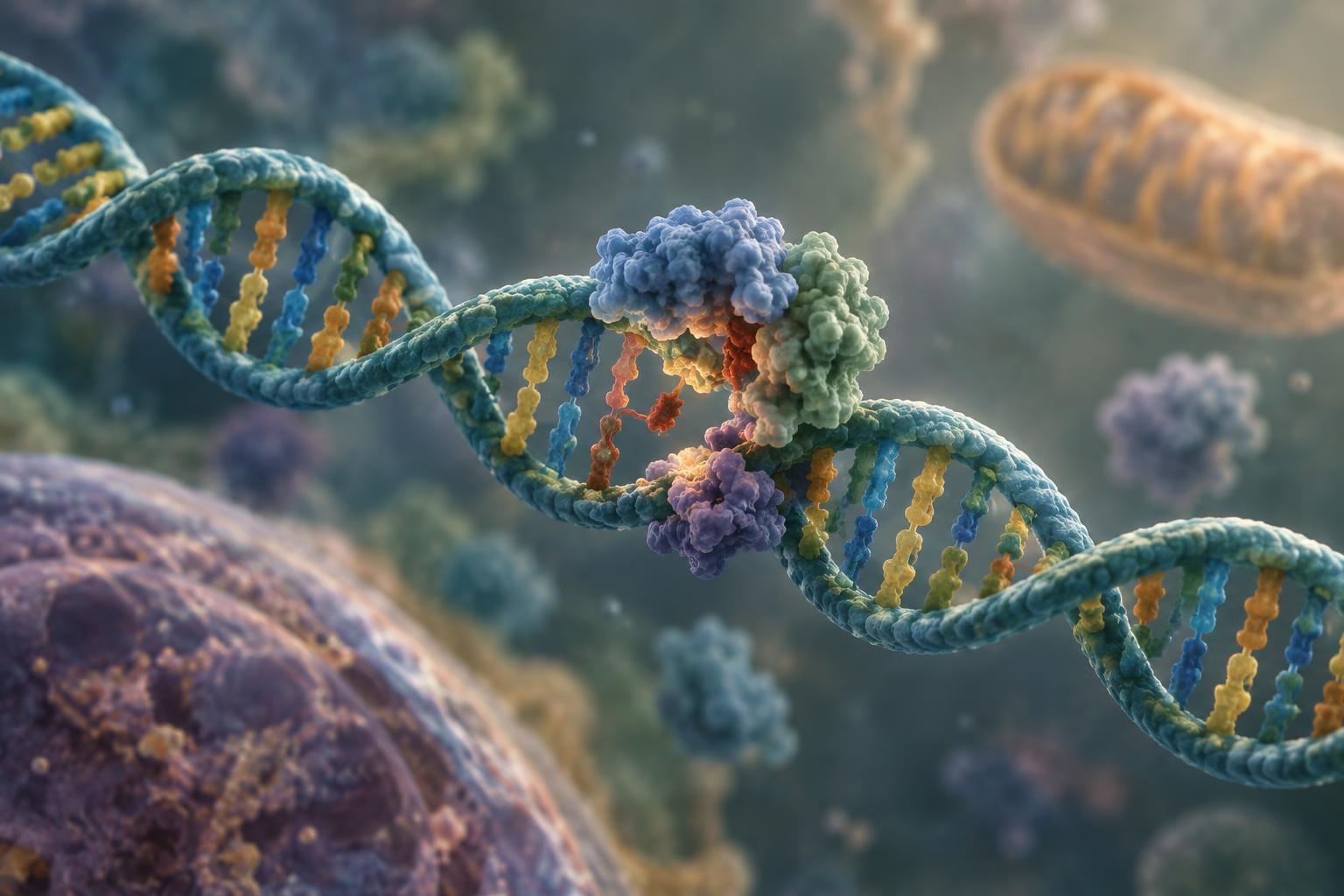
Life SciencesDNA changes as cells copy it and encounter everyday sources of damage. Learn the difference between DNA damage and a mutation, how cells repair common problems, and why some changes persist.
Read article · 3 min↗
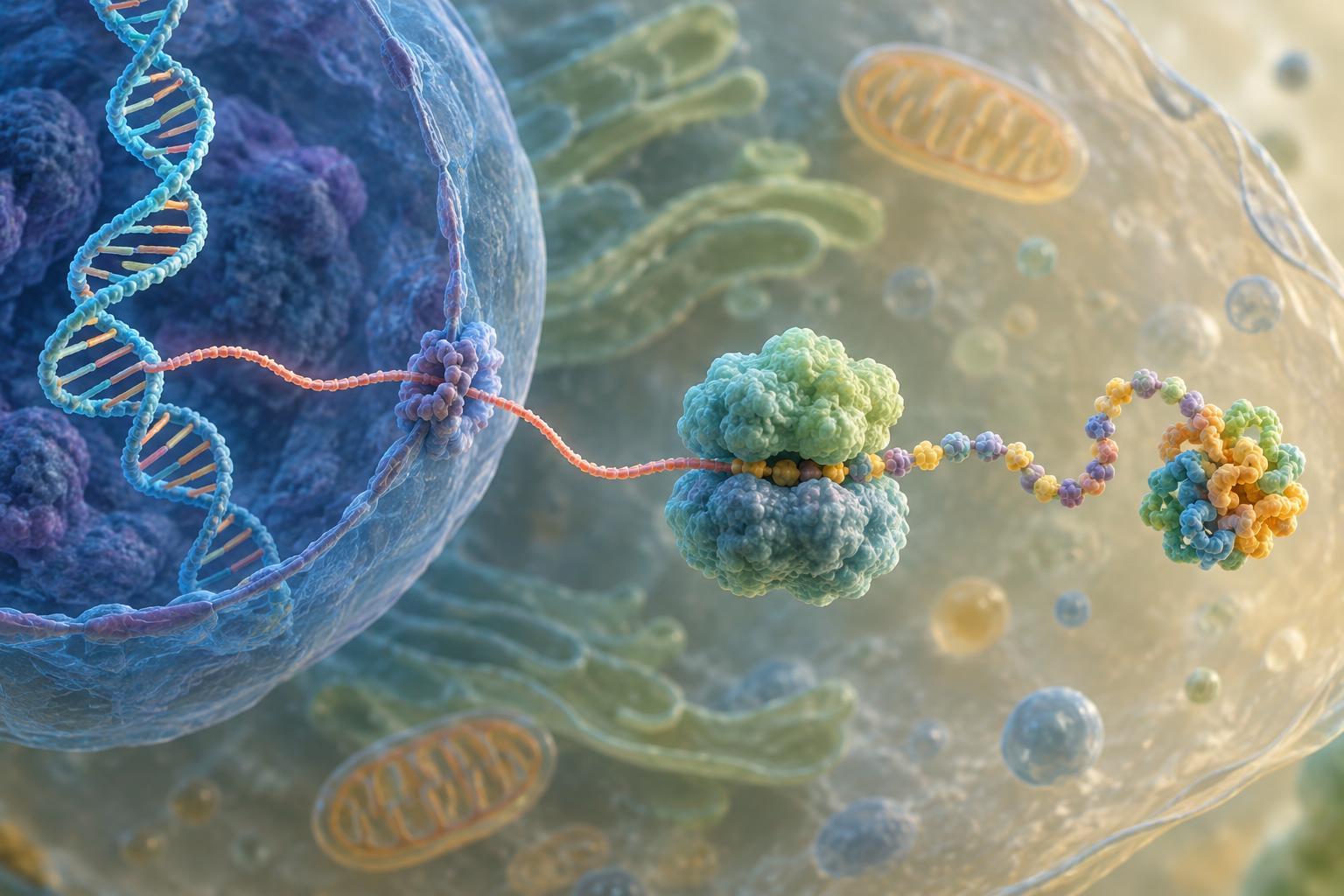
Life SciencesGenes provide instructions, but cells do not turn DNA directly into protein. Follow the steps from copying a gene into RNA to assembling and shaping the finished molecule.
Read article · 4 min↗
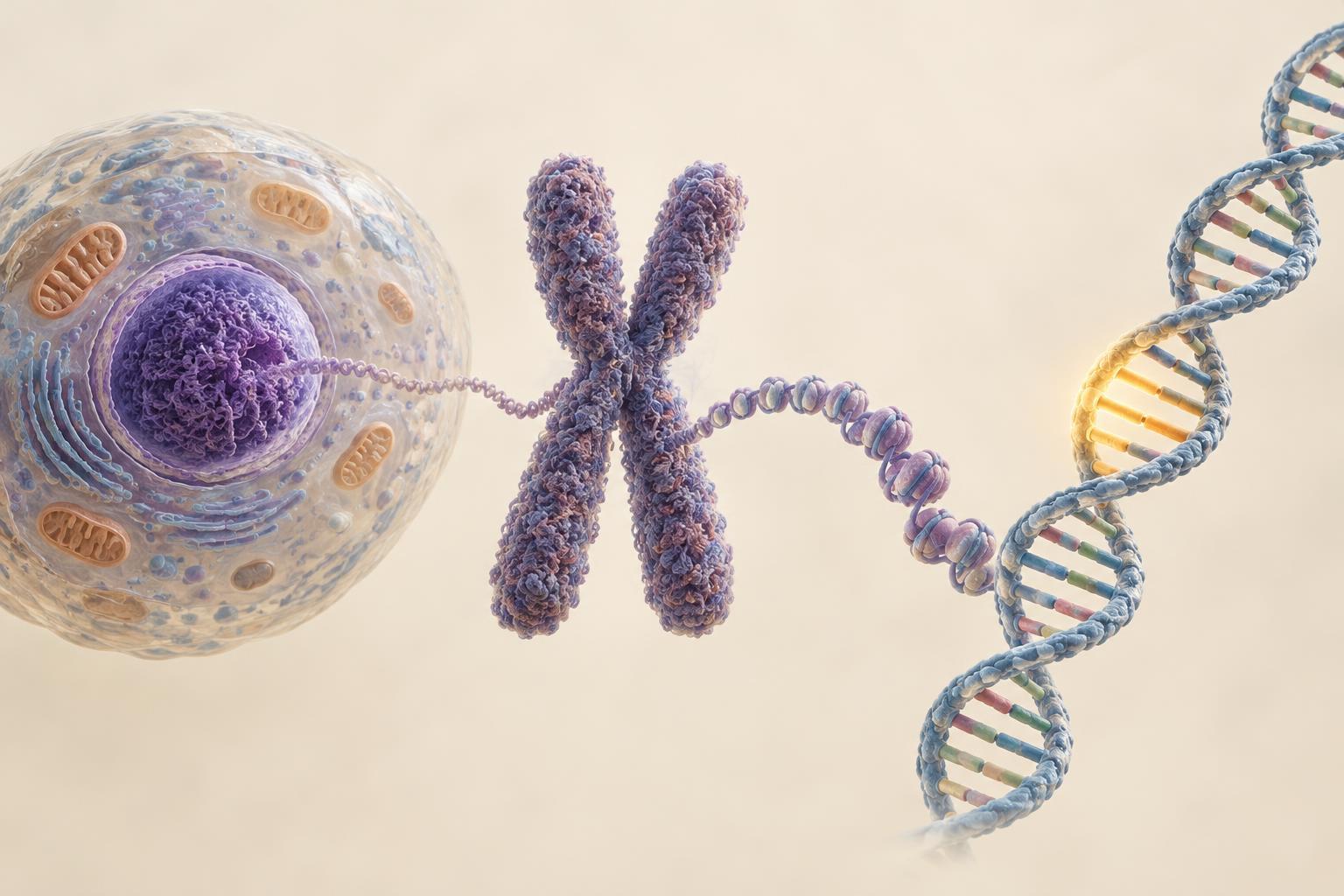
Life SciencesDNA, genes and chromosomes describe different parts of the same system. Learn how cells store genetic information, use it to make molecules and pass it to new cells.
Read article · 4 min↗
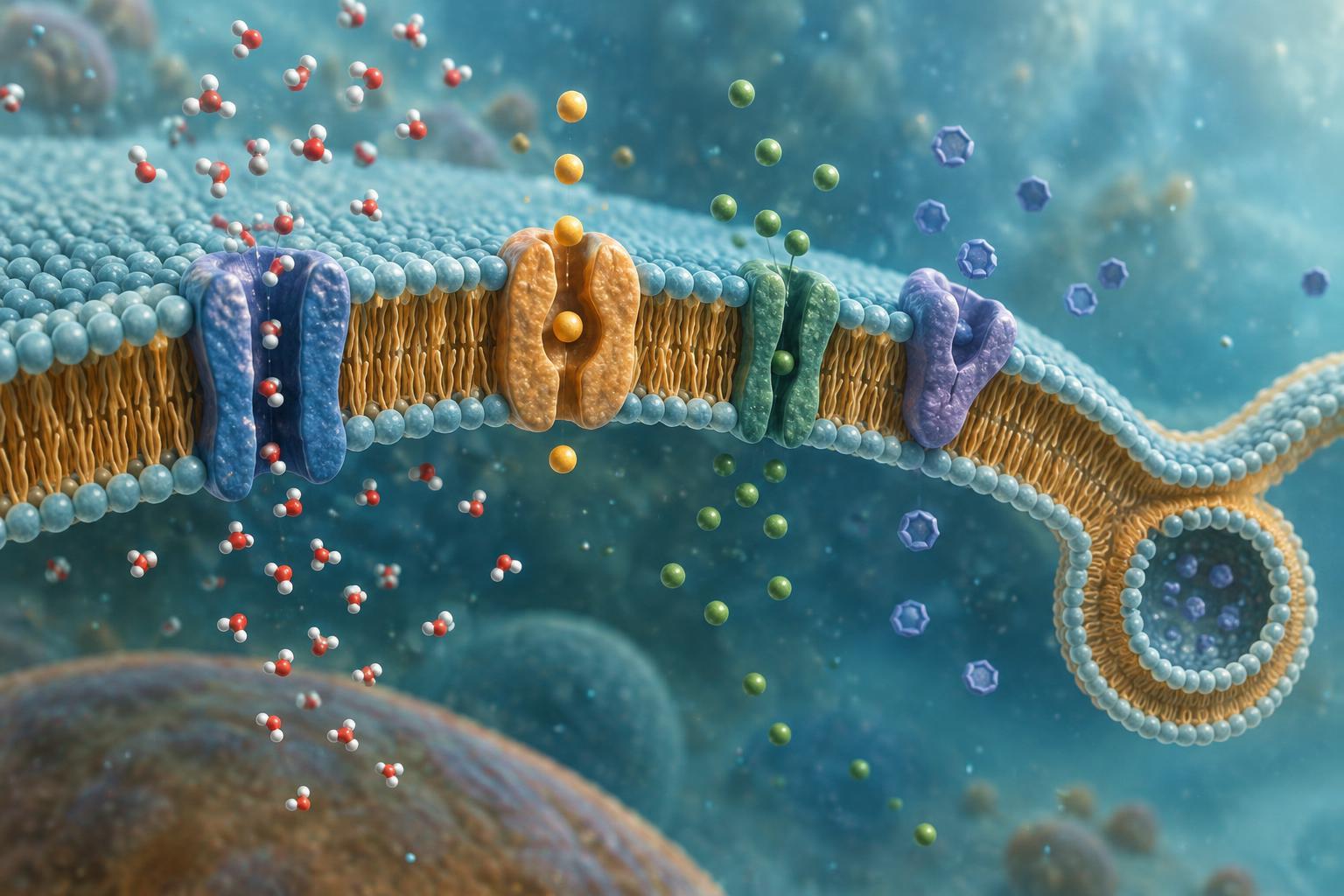
Life SciencesA cell membrane is more than a wrapper. Its oily interior, specialized proteins and flexible surface work together to regulate the movement of gases, water, nutrients and waste. Here is how that selective boundary helps a cell maintain the conditions it needs.
Read article · 4 min↗
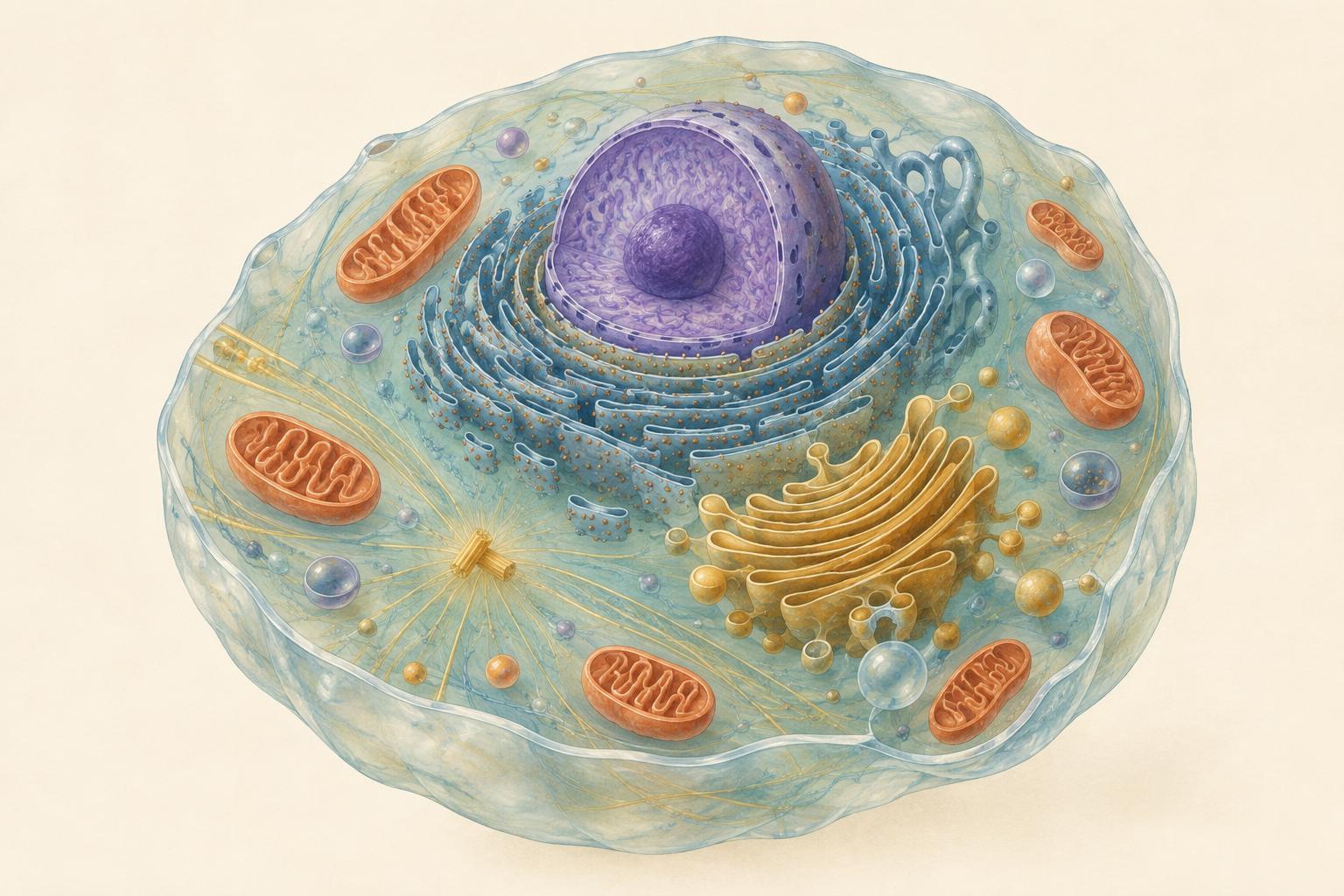
Life SciencesCells stay alive by organizing many jobs in a tiny space. This beginner’s guide explains how the nucleus, ribosomes, membranes and other cell structures help make proteins, manage energy, move materials and maintain a workable internal environment.
Read article · 4 min↗